Original · GridDigest
North American nuclear hiring slows as capacity shifts
By GridDigest Editorial · June 19, 2026 · synthesized from 3 sources
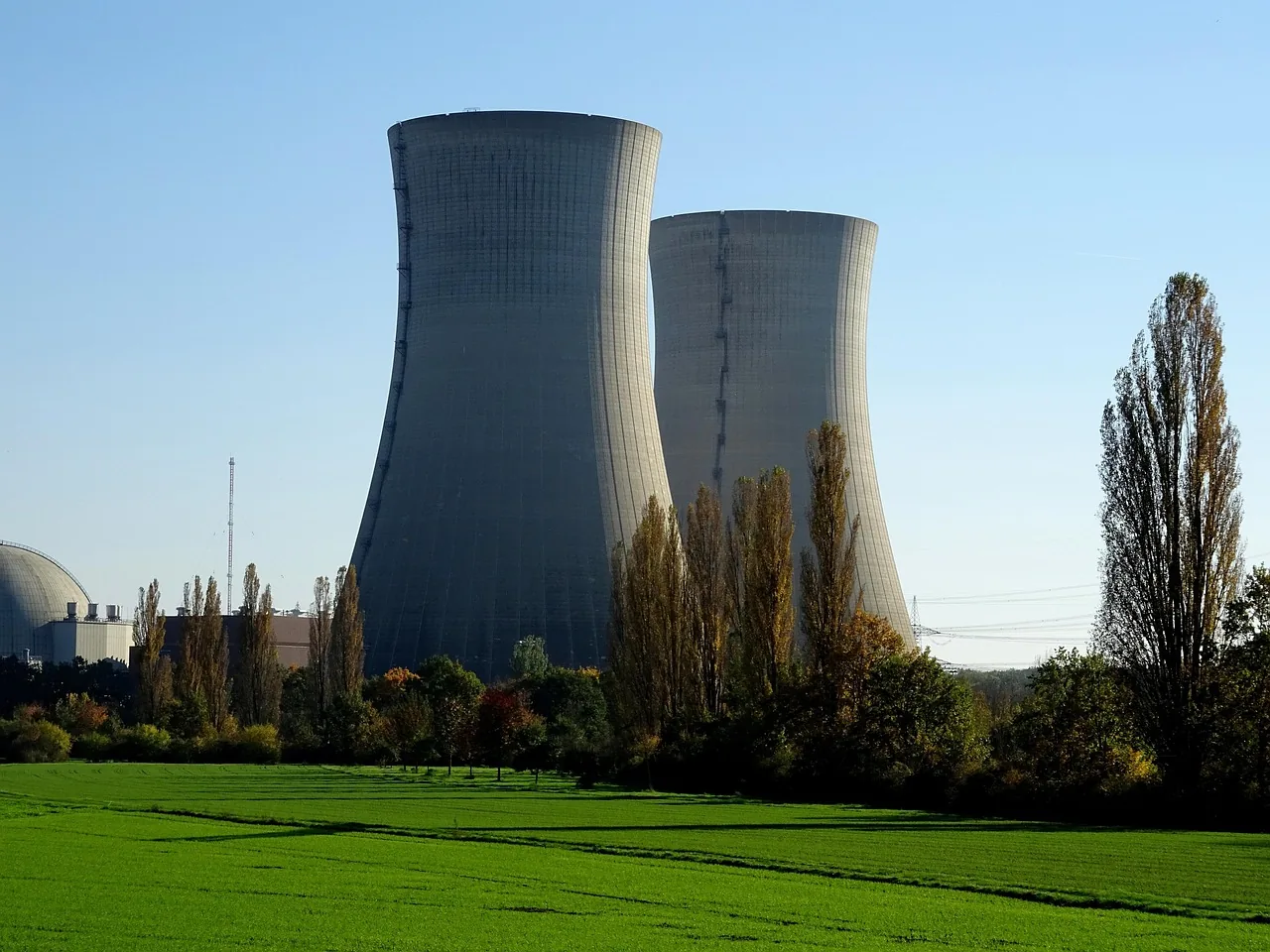
Nuclear energy employment growth is decelerating across North America, with industry leaders tracking changes in capacity and risk distribution.
North America's nuclear energy sector is experiencing a measurable cooling in hiring activity, even as industry observers identify emerging patterns in where workforce demand is concentrating and where operational risk is beginning to accumulate.
Hiring Momentum Pulls Back
After a period of elevated recruitment activity driven by renewed policy interest in nuclear power and a wave of announcements around new reactor projects and life extensions, hiring across the North American nuclear sector has begun to slow. The deceleration reflects a transitional phase in the industry, where early-stage project enthusiasm has given way to the more methodical work of permitting, engineering development, and workforce planning. The pullback is not uniform across all roles or regions, but it is broad enough that sector leaders are taking note and reassessing how they build and sustain talent pipelines.
Where Capacity Is Shifting
Despite the overall slowdown, certain areas of the nuclear workforce continue to attract significant recruitment attention. Roles tied to advanced reactor development, small modular reactor programs, and long-term plant operations at existing facilities remain in demand. Industry leaders indicate they can map where capacity is concentrating — pointing to specialized engineering functions, nuclear safety oversight, and regulatory affairs as areas where competition for qualified candidates remains intense. The visibility that senior figures say they now have into these workforce dynamics represents an improvement over previous cycles, when talent gaps often emerged without sufficient warning.
Risk Accumulates at the Margins
The more pointed concern among nuclear sector leaders is not the hiring slowdown itself, but the risk profile that forms when recruitment stalls unevenly. When certain technical disciplines stop adding headcount while project timelines continue to advance, organizations can find themselves exposed at critical junctures. Leaders in the sector acknowledge that identifying these mismatches early — between where people are being hired and where work is actually accelerating — is essential to avoiding delays and safety lapses. The workforce risk calculus is particularly acute given the long lead times associated with nuclear projects, where a gap in qualified personnel can compound across years rather than quarters.
A Sector Watching Its Own Foundations
The nuclear industry's renewed prominence in North American energy policy conversations has raised expectations about the pace of buildout, but the workforce data tells a more measured story. Utilities, developers, and regulators are all grappling with the same underlying constraint: the pool of workers with direct nuclear experience remains limited, and training pipelines take years to produce credentialed professionals. Industry leaders appear to be leaning into data and workforce analytics as tools for navigating the slowdown, with the goal of ensuring that the capacity being built today — in terms of both hardware and human expertise — is positioned where it will be needed most as projects move from planning into execution.
Sources (3)
Methodology: This article was synthesized from three source reports covering the same story about nuclear energy hiring trends in North America, drawing on consistent facts across all three items.