Original · GridDigest
EU targets 46% electrification by 2040 to cut fossil fuel imports
By GridDigest Editorial · August 4, 2026 · synthesized from 4 sources
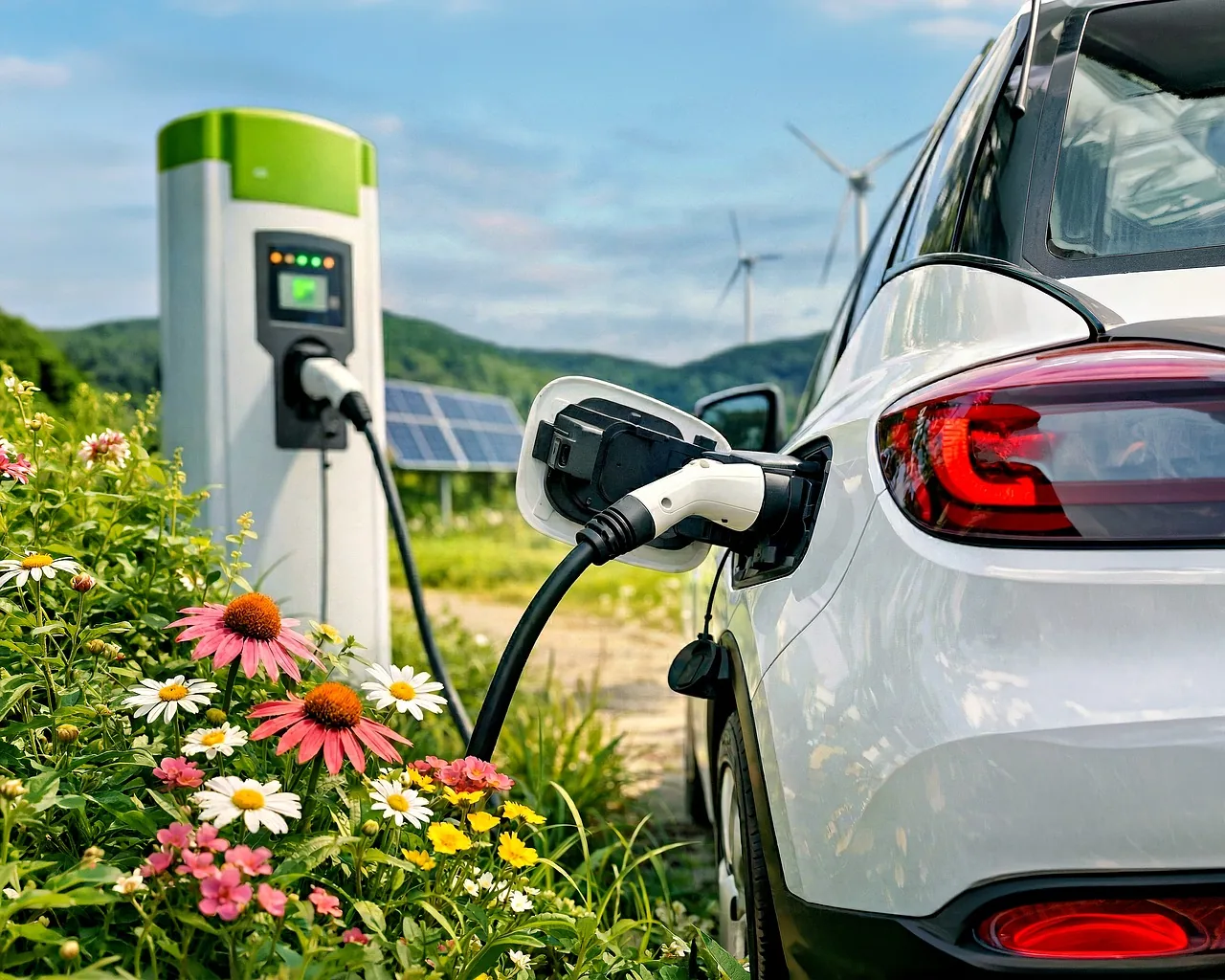
The European Commission's Electrification Action Plan aims to raise electrification of final energy demand from 23% to 46% by 2040, projected to reduce annual fossil fuel import costs by approximately €240 billion while accelerating clean energy deployment.
The European Commission has unveiled its Electrification Action Plan, outlining a sweeping framework intended to transform how energy is consumed across the bloc and position Europe as what officials describe as the world's first "electro-continent."
Doubling Electrification by 2040
At the core of the plan is an ambitious numeric target: raising the share of electricity in final energy demand from its current level of 23% to 46% by 2040. That would represent a near-doubling of electrification across the European Union's economy within roughly fifteen years. The Commission frames the initiative as central to its broader decarbonization strategy, with domestically produced renewable energy expected to displace the fossil fuels that currently underpin much of the continent's energy system.
The shift would touch virtually every sector reliant on energy consumption, from industry and transportation to heating and buildings, pushing electrical power into areas that have historically depended on gas, oil, and coal-derived fuels.
Reducing Dependence on Fossil Fuel Imports
A key economic argument embedded in the plan is the projected reduction in fossil fuel import expenditures. According to the sources, achieving the 46% electrification target could cut the EU's annual fossil fuel import bill by approximately €240 billion — a figure also reported in dollar terms by one source as roughly $286 billion. The discrepancy in currency values likely reflects differences in exchange rate assumptions used by different outlets at the time of reporting, though both figures point to savings in the hundreds of billions annually.
European policymakers have repeatedly cited energy import dependency as both a financial burden and a strategic vulnerability, particularly following disruptions to natural gas supplies in recent years. The Electrification Action Plan appears designed in part to address that vulnerability by accelerating the buildout of clean energy technologies that generate power domestically.
Clean Technology Deployment as a Pillar
Beyond the headline electrification percentage, the plan is oriented around accelerating the deployment of the technologies needed to make such a transition feasible. Renewable energy infrastructure — including solar, wind, and associated grid upgrades — would need to scale significantly to supply an economy that runs on nearly twice the share of electricity it does today.
The Commission's framing of Europe as the world's first "electro-continent" signals an intent not only to meet internal climate and energy security goals, but also to establish a global precedent. The language suggests Brussels views this transition as a marker of industrial and geopolitical leadership in the clean energy era.
Broader Policy Context
The Electrification Action Plan arrives as the EU continues to refine its climate and energy legislative framework. The target of 46% electrification by 2040 sits within a longer trajectory toward the bloc's climate neutrality goal, with the plan serving as a structural bridge between existing policies and future emissions reduction requirements.
By anchoring the strategy around domestically generated renewable electricity, the Commission is effectively proposing to swap expenditures on imported fossil fuels for investment in European clean energy capacity — an argument that combines environmental objectives with economic and security rationales. The scale of projected import bill savings, regardless of the precise currency conversion used, underscores the financial stakes the Commission is placing at the center of its case for accelerated electrification.
Sources (4)
Methodology: This article was synthesized from four source reports covering the European Commission's Electrification Action Plan, drawing on consistent and complementary facts across all four sources.