Original · GridDigest
EU hydropower sites could host 25 GW of wind and solar
By GridDigest Editorial · August 4, 2026 · synthesized from 5 sources
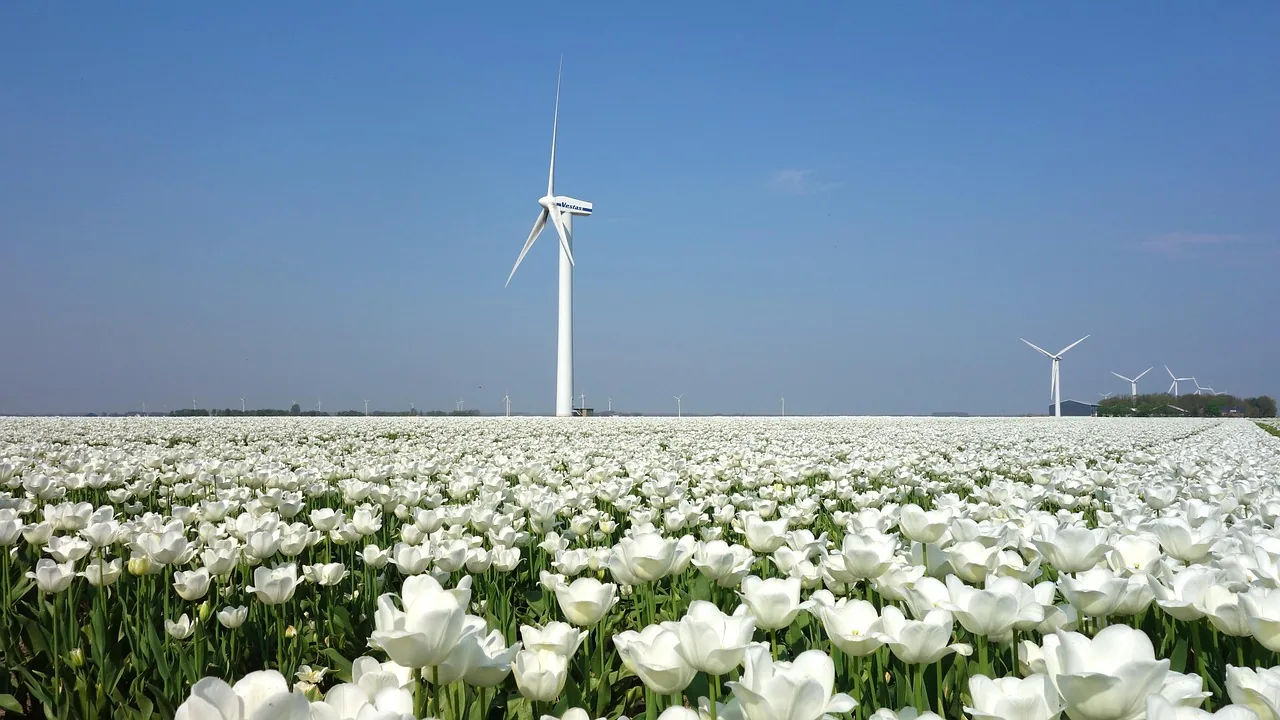
Existing hydropower plants across seven EU countries could accommodate 25 GW of additional wind and solar capacity without requiring new grid infrastructure, according to an Ember report.
A new report from energy think tank Ember finds that existing hydropower infrastructure across seven European Union countries could accommodate up to 25 gigawatts of additional wind and solar capacity without requiring new grid connections or upgrades to transmission infrastructure.
Pairing Renewables with Existing Grid Access
The central argument of the Ember analysis is that hydropower plants already connected to the electricity grid represent an underutilized gateway for renewable energy deployment. By co-locating, or "hybridizing," wind and solar installations with these existing sites, developers could route clean power through grid connections that are already in place, bypassing the lengthy and costly process of securing new interconnection capacity.
The 25 GW figure applies specifically to seven EU member states identified in the report, though Ember has not detailed the country-by-country breakdown across all available source materials. The capacity identified spans both solar photovoltaic and wind technologies, suggesting that site conditions across the identified hydropower locations are suitable for more than one renewable generation type.
Grid Queues and Stranded Potential
Elisabeth Cremona, Ember's Energy Infrastructures Lead, pointed to grid connection backlogs as a central obstacle to Europe's clean energy ambitions. "Political ambitions mean nothing if clean electrons are stranded in connection queues," Cremona said, framing the hybridization opportunity as a practical near-term workaround for an infrastructure bottleneck that has slowed renewable rollout across the continent.
Grid connection queues have emerged as a significant constraint in multiple European markets, where permitted and financed projects can wait years for available interconnection capacity. The Ember report positions hybridization at hydro sites as a means of accelerating deployment by working within existing network limits rather than waiting for grid expansion.
Hydropower as an Enabling Asset
Beyond the grid connection advantage, the pairing of variable wind and solar generation with hydropower carries an additional operational rationale. Hydropower, particularly storage-based facilities, can adjust output in response to fluctuations in solar and wind production, providing a degree of built-in balancing that pure wind or solar installations lack. The Ember report frames hydro storage plants specifically as candidate hosts, suggesting the analysis focuses on assets with meaningful flexibility rather than run-of-river facilities alone.
The 25 GW potential identified represents additional capacity layered onto sites that already generate electricity, meaning the grid infrastructure at these locations was sized to handle significant power flows. How much headroom remains at any given site would depend on the existing plant's capacity factor and the terms of its grid connection agreement, factors that would vary considerably across the seven countries examined.
Scale and Policy Context
Twenty-five gigawatts is a substantial figure relative to EU renewable deployment rates. For context, it represents a meaningful share of the offshore and onshore wind capacity Europe has been targeting under its REPowerEU and Green Deal frameworks, though the Ember report does not claim all 25 GW is immediately developable—only that the physical and grid conditions at these sites make hybridization technically feasible without new infrastructure investment.
The findings arrive as EU policymakers and grid operators continue to grapple with the mismatch between renewable energy targets and the pace at which transmission networks can be expanded and permitted. Ember's analysis adds to a growing body of research suggesting that smarter use of existing grid assets could partially bridge that gap, at least in the medium term, while longer-term grid buildout continues. Whether member states translate the identified potential into policy support or streamlined permitting for hybrid projects remains an open question the report's publication is intended to raise.
Sources (5)
Methodology: This article was synthesized from five source reports covering the same Ember think tank findings, drawing on consistent facts across all sources while incorporating the single available direct quotation from Source 2.