Original · GridDigest
Wärtsilä Forms Energy Storage Joint Venture with RCT Solutions
By GridDigest Editorial · June 19, 2026 · synthesized from 3 sources
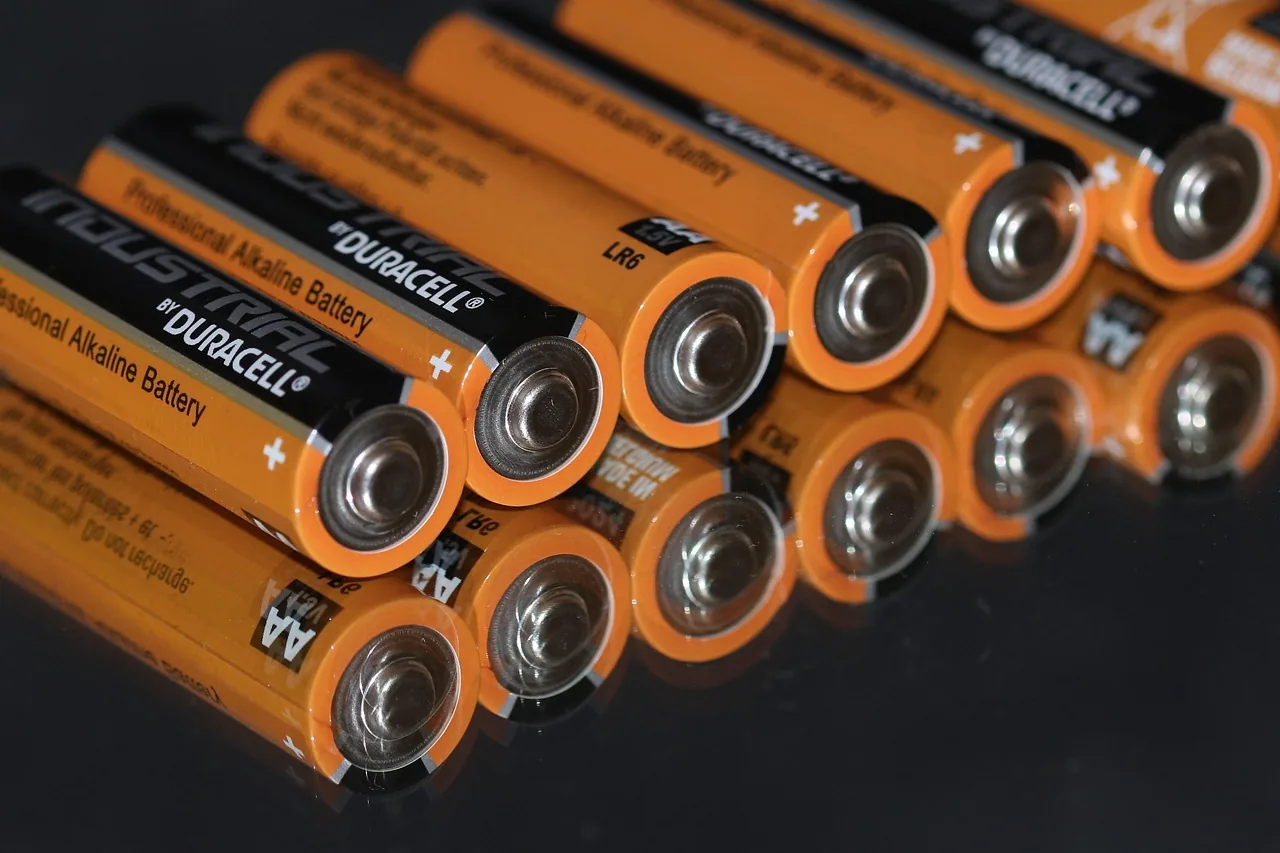
Finnish power equipment maker Wärtsilä has combined its energy storage business into a joint venture with solar manufacturer RCT Solutions. The move marks the latest shift in Wärtsilä's strategy for its storage operations.
Finnish industrial group Wärtsilä has announced plans to fold its global energy storage operations into a new 50:50 joint venture with German firm RCT Solutions, marking a significant structural shift for a business unit that has undergone considerable strategic reassessment in recent years.
Deal Structure and Timeline
Under the agreement, Wärtsilä will combine its energy storage business with RCT Solutions in an equal partnership, with the transaction expected to close in the third quarter of 2026. The two companies anticipate the combined battery venture will reach profitability by the end of 2027. RCT Solutions, based in Germany, is characterized as a solar manufacturer, bringing complementary clean-energy manufacturing experience to the partnership.
A Business Unit in Transition
The joint venture represents the latest development in what observers have described as a long-running series of strategic decisions surrounding Wärtsilä's energy storage segment. The Finnish company has navigated multiple shifts in how it intends to position and operate that part of its portfolio, and the move to an equal partnership with an external industrial partner reflects a continued search for a sustainable operating model for the business.
Strategic Rationale
By pairing with RCT Solutions, Wärtsilä gains a partner with established manufacturing roots in the European renewable energy sector. The 50:50 structure places both companies on equal footing in terms of governance and financial commitment, suggesting a jointly managed path toward scaling the battery storage operation. The targeted profitability horizon of late 2027 indicates the partners are treating the near-term period as an investment and integration phase before the venture is expected to stand on its own financially.
Sources (3)
Methodology: This article was synthesized from three source reports covering the same announcement, drawing on complementary details across all three sources to produce a unified account.