Original · GridDigest
Masdar, Montenegro utility plan 150 MW solar, 400 MW pumped storage
By GridDigest Editorial · August 4, 2026 · synthesized from 4 sources
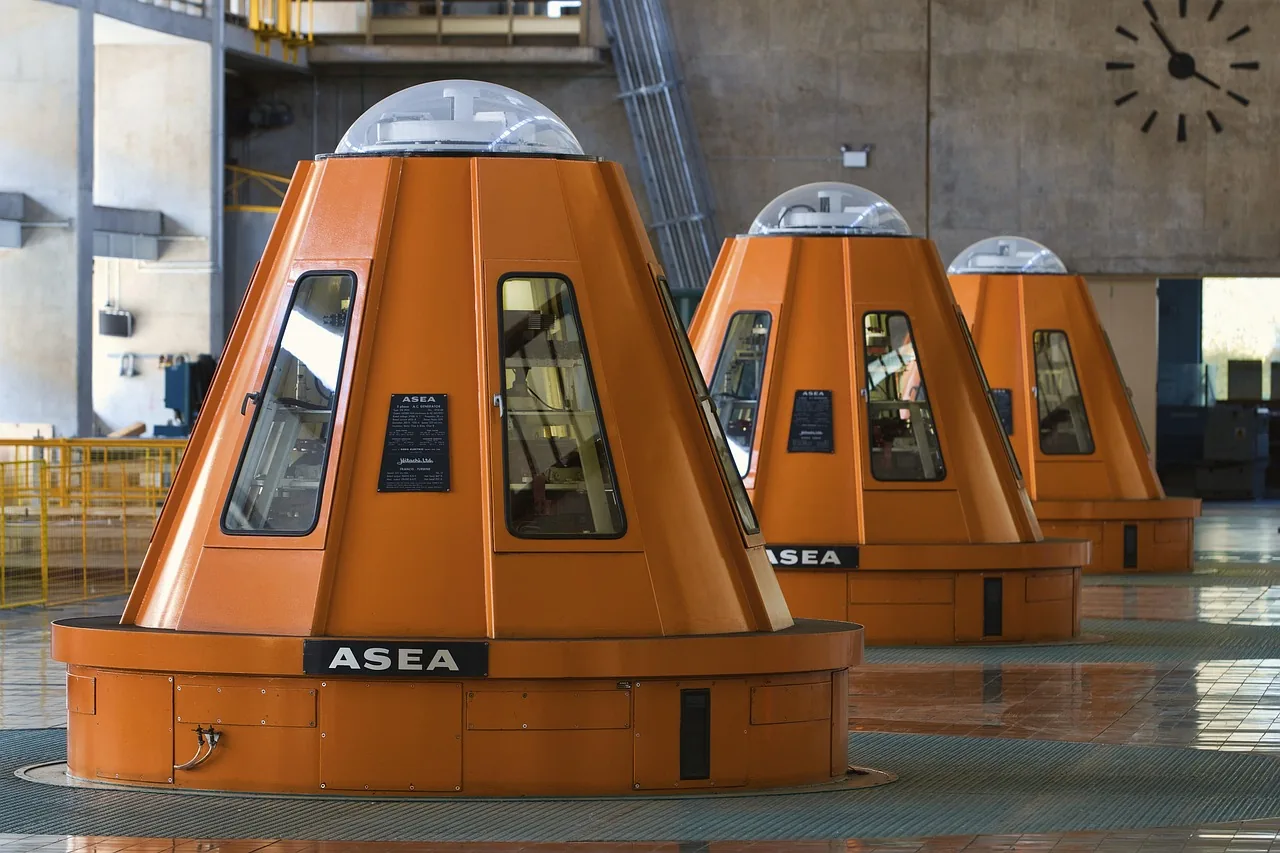
UAE-based Masdar and Montenegro's national utility EPCG signed a joint development agreement to build 150 MW of solar PV and explore 400 MW of pumped hydro storage as part of a broader 2 GW renewables venture.
UAE state-owned renewables developer Masdar and Montenegro's national electricity utility, Elektroprivreda Crne Gore (EPCG), have signed a joint development agreement to build 150 MW of solar photovoltaic capacity in the Balkan nation, marking a concrete first step in a broader partnership targeting 2 GW of large-scale renewable energy development.
Two Solar Projects Anchor the Agreement
The agreement covers two separate solar farm projects that together will deliver 150 MW of installed PV capacity. The facilities represent the opening phase of a joint venture established between Masdar and EPCG, which envisions significantly larger renewable development across Montenegro over time. While the sources confirm the 150 MW figure and the involvement of both parties, specific site locations and construction timelines were not detailed in the available reporting.
The joint development agreement formalizes the partnership framework under which both projects will be advanced. Masdar, which is headquartered in Abu Dhabi and operates as one of the UAE's primary state-backed clean energy vehicles, brings international project development experience to the venture, while EPCG contributes its position as Montenegro's national power utility and knowledge of the domestic market and regulatory environment.
Pumped Storage Also Under Consideration
Beyond the solar component, the partnership is also evaluating a pumped hydro storage project with a capacity of approximately 400 MW. Pumped storage, which uses surplus electricity to pump water uphill for later release through turbines, is widely regarded as one of the more mature and large-scale forms of grid energy storage available. Montenegro's mountainous terrain makes it a geographically plausible candidate for such infrastructure.
The sources indicate the pumped storage component remains under consideration rather than representing a finalized commitment, distinguishing it from the solar agreements that have already been signed. If advanced, a 400 MW pumped storage facility would substantially complement the intermittent output of the planned solar farms, providing dispatchable capacity to balance supply and demand on the Montenegrin grid.
Part of a 2 GW Renewables Vision
The 150 MW of solar and the prospective pumped storage project are framed as early deliverables within a much larger ambition. The Masdar-EPCG joint venture has set a target of developing up to 2 GW of large-scale renewable energy capacity in Montenegro, a country that has historically relied on hydropower and imported electricity to meet domestic demand.
Reaching 2 GW would represent a transformative expansion of Montenegro's generation portfolio. The country has a population of under 700,000 and total installed generation capacity well below that threshold, meaning successful execution of the full program would reshape the national energy mix and could position Montenegro as a regional exporter of clean electricity, particularly given its connectivity to neighboring Balkan power markets and longer-term links toward the European Union's internal energy market.
Masdar has been active across multiple continents in scaling up renewable capacity on behalf of Abu Dhabi, and its partnership with EPCG reflects a pattern of the developer entering joint ventures with national utilities in emerging European energy markets. EPCG, as the state-owned operator, retains a central role in domestic electricity generation, transmission, and distribution, making it a natural anchor partner for projects requiring regulatory coordination and grid integration.
The signing of the joint development agreement marks a formal progression from earlier-stage discussions, with both parties now committed to advancing the solar projects toward construction-ready status. Further details on financing structures, offtake arrangements, and grid connection timelines had not been disclosed in the available source material at the time of reporting.
Sources (4)
Methodology: This article was synthesized from four source reports covering the same Masdar-EPCG renewable energy agreement in Montenegro, drawing on complementary details across all sources.