Original · GridDigest
Statkraft builds Blåfjell Pump to expand Norway's largest hydropower reservoir
By GridDigest Editorial · June 19, 2026 · synthesized from 3 sources
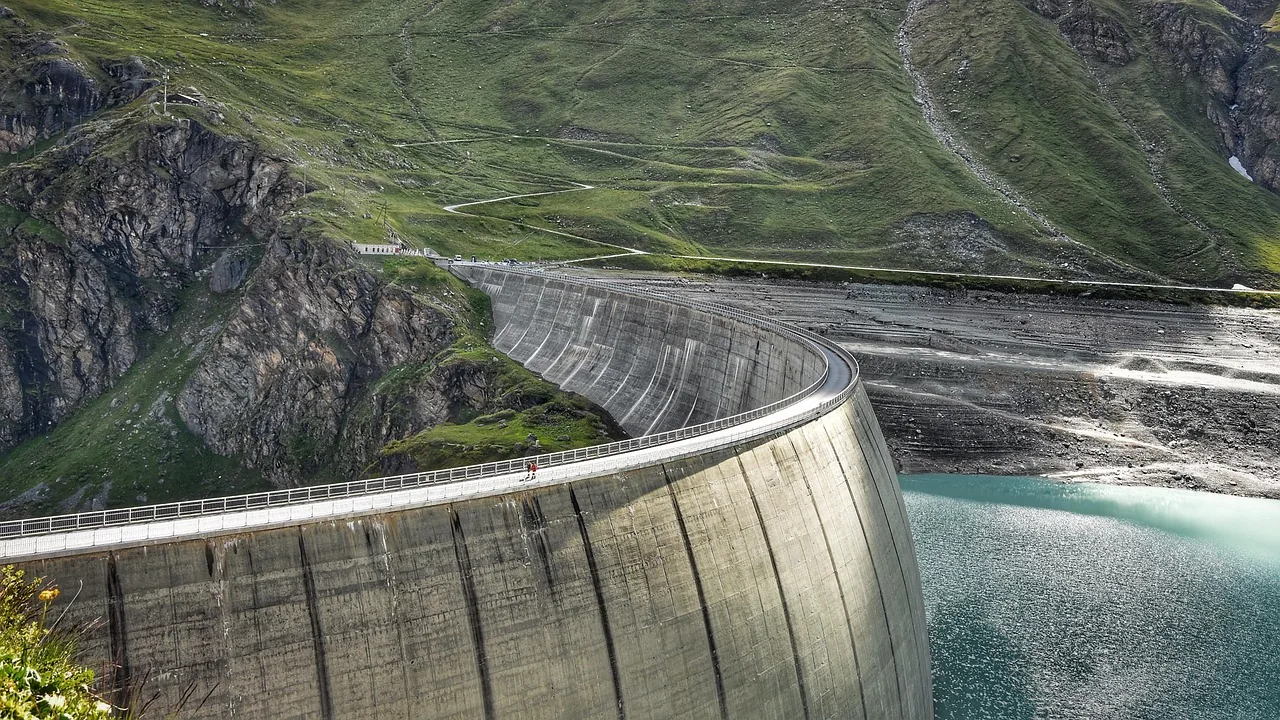
Statkraft has begun construction of the Blåfjell Pump facility to transfer more water into Blåsjø, Norway's largest hydropower reservoir, adding 54 GWh of capacity.
Norwegian state-owned energy company Statkraft has broken ground on the Blåfjell Pump, a new pumping facility designed to transfer additional water into Blåsjø, the country's largest hydropower reservoir, expanding its storage capacity by 54 GWh.
Expanding a Critical Storage Asset
Blåsjø already functions as a cornerstone of Norway's hydropower system, and the Blåfjell Pump project is intended to deepen that role by enabling greater volumes of water to be directed into the reservoir. The 54 GWh of additional storage capacity represents a meaningful increment for a system that already underpins a significant share of Norwegian electricity generation. Construction has begun immediately following the project announcement.
Strategic Value for the Energy System
A Statkraft executive vice president described pumping more water into Blåsjø as "perhaps one of the most valuable things we can do for society," underscoring the company's view that the project delivers broad benefits beyond simple generation increases. The Blåsjø reservoir is frequently characterized as a large-scale natural "battery" given its capacity to store potential energy in the form of water and release it on demand — a characteristic that makes it particularly useful for balancing supply and demand across the Nordic electricity grid.
Flexibility at the Forefront
The Blåfjell Pump is framed not merely as a capacity addition but as a flexibility enhancement. By allowing operators to move water into Blåsjø during periods of surplus generation or low demand, the facility increases the reservoir's ability to respond to fluctuating market conditions and support grid stability. This pumped-storage model allows the reservoir to act as a buffer, absorbing excess electricity — converted into stored hydraulic potential — and returning it to the grid when conditions require higher output. That operational flexibility is seen as increasingly valuable as variable renewable energy sources such as wind and solar make up a growing share of generation across Europe.
Statkraft's Broader Context
The project reflects Statkraft's continued investment in its existing hydropower infrastructure as a means of extracting greater value from assets already in place rather than relying solely on new greenfield development. Norway's hydropower fleet, much of it operated by Statkraft, forms the backbone of the country's near-fully renewable electricity supply and plays an interconnected role in the wider Northern European power market through cross-border transmission links. Enhancements to storage and pumping capability at a site as large as Blåsjø therefore carry implications that extend well beyond domestic supply, influencing power flows and price dynamics across the region.
Sources (3)
Methodology: This article was synthesized from three source reports covering the same Statkraft infrastructure announcement, drawing on complementary details across all three sources.