Original · GridDigest
Sweden selects Rolls-Royce SMR for first new reactor in 40+ years
By GridDigest Editorial · June 19, 2026 · synthesized from 3 sources
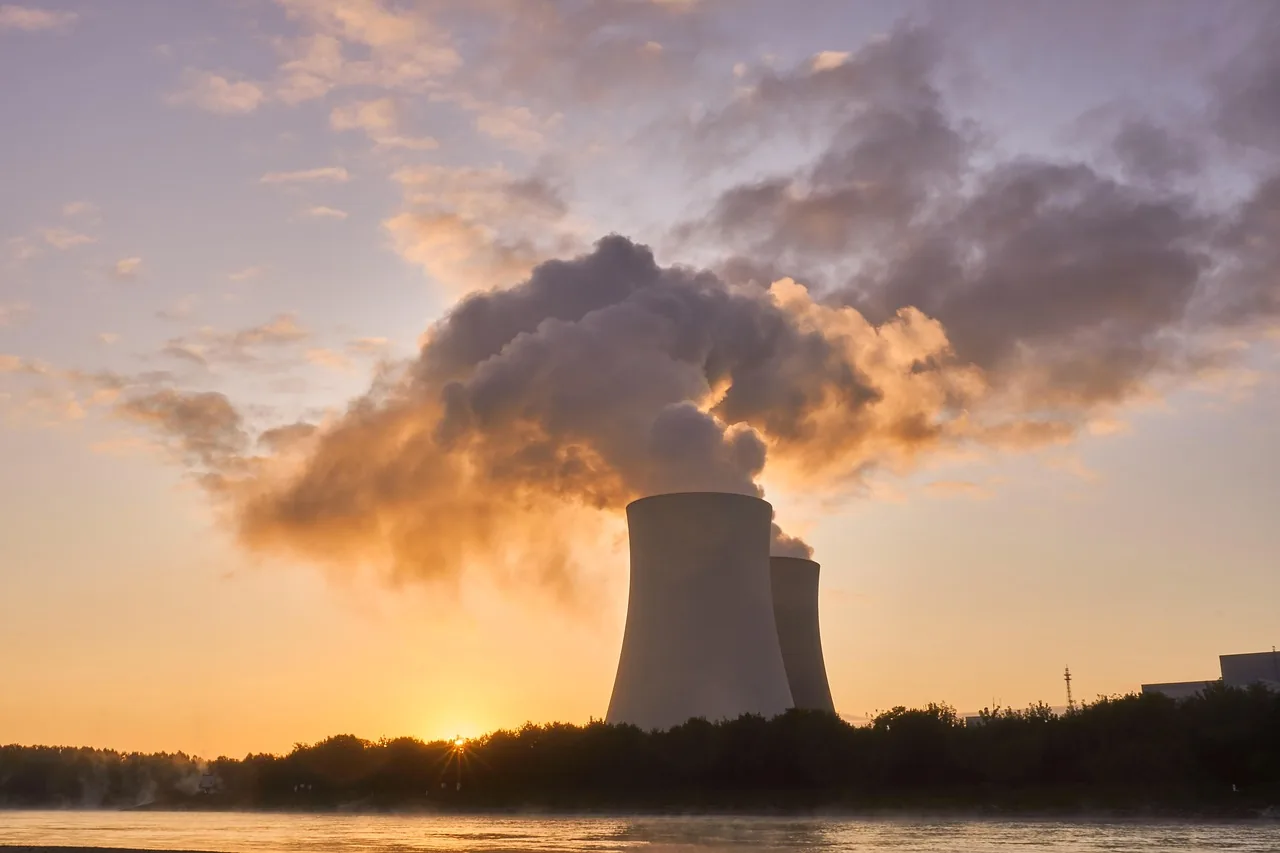
Videberg Kraft, backed by utility Vattenfall, chose Rolls-Royce's small modular reactor design for three units on Sweden's west coast. The deal marks Sweden's first new nuclear plant since the 1980s and Rolls-Royce's third major European SMR contract.
Sweden is poised to break a four-decade pause in nuclear construction after Videberg Kraft, a project vehicle backed by utility giant Vattenfall, named Rolls-Royce SMR as its preferred technology supplier for a three-unit small modular reactor development on the country's west coast.
Sweden's Nuclear Revival
The selection marks the first concrete step toward new nuclear capacity in Sweden since the 1980s, when the country last brought a reactor online. Sweden has maintained an operating fleet inherited from that era, but successive governments long resisted expanding it. A policy shift in recent years reopened the door to new builds, and Videberg Kraft's announcement represents one of the most tangible outcomes of that reversal. The west coast site, chosen for the three planned units, has not been further described in available materials, but the scale of the project — three reactors — signals a meaningful commitment to restoring nuclear as a cornerstone of Swedish power supply.
Rolls-Royce Extends Its European Footprint
For Rolls-Royce SMR, the Swedish deal constitutes a third major commercial commitment on the European continent, adding to existing arrangements in the United Kingdom and Czechia. That makes the company notable among SMR developers for holding multiple binding or preferred-supplier agreements simultaneously, a distinction that reflects both the pace of its commercial progress and the broadening appetite among European utilities for the technology. The Swedish contract is characterized as a multibillion-pound export win, though precise financial terms have not been disclosed in the available source material.
UK government trade promotion efforts played an active role in securing the deal, according to reporting on the announcement, underscoring how nuclear exports have become an instrument of British industrial policy alongside domestic energy objectives. Rolls-Royce SMR's reactor design, developed primarily for the UK market, is now being positioned across multiple national licensing environments simultaneously — a logistical and regulatory undertaking that will test the company's ability to move from commercial agreements to construction-ready projects.
Vattenfall's Strategic Role
Vattenfall, one of Scandinavia's largest state-owned energy companies, provides the institutional backbone for Videberg Kraft. The utility's involvement lends the project financial credibility and operational expertise, given Vattenfall's long history managing nuclear assets across Sweden and other European markets. The company has navigated previous phases of Sweden's nuclear debate, including the managed wind-down of certain older reactors, and its renewed interest in new build signals a recalibration of its long-term generation strategy.
The pairing of an established utility sponsor with a relatively new SMR design reflects a broader pattern emerging across Europe, where legacy power companies are cautiously partnering with next-generation reactor developers rather than waiting for fully proven commercial-scale deployments. Whether that approach accelerates timelines or introduces new uncertainties will depend heavily on how quickly Rolls-Royce SMR advances through national regulatory approval processes in each of its target markets.
Context Within European Nuclear Momentum
The Videberg Kraft announcement arrives as multiple European governments reassess nuclear's role in decarbonizing electricity grids, driven partly by energy security concerns intensified by recent years of gas market volatility. Sweden, historically dependent on a combination of hydropower, nuclear, and more recently wind, has particular incentive to shore up firm, low-carbon baseload capacity as older reactors age toward retirement.
SMR technology is frequently cited as potentially faster and cheaper to build than conventional large-scale nuclear plants, though no Rolls-Royce SMR unit has yet been constructed. The company's accumulation of preferred-supplier agreements across three countries means its design will face scrutiny in multiple regulatory jurisdictions in the coming years, a process that will be closely watched by the broader nuclear industry as a test of whether SMRs can move from commercial promise to operational reality within the timelines their developers project.
Sources (3)
Methodology: This article was synthesized from three source reports covering the same announcement, consolidating overlapping details into a single coherent account.