Original · GridDigest
Ore Energy raises $43M for multi-day iron-air battery commercialization
By GridDigest Editorial · August 5, 2026 · synthesized from 3 sources
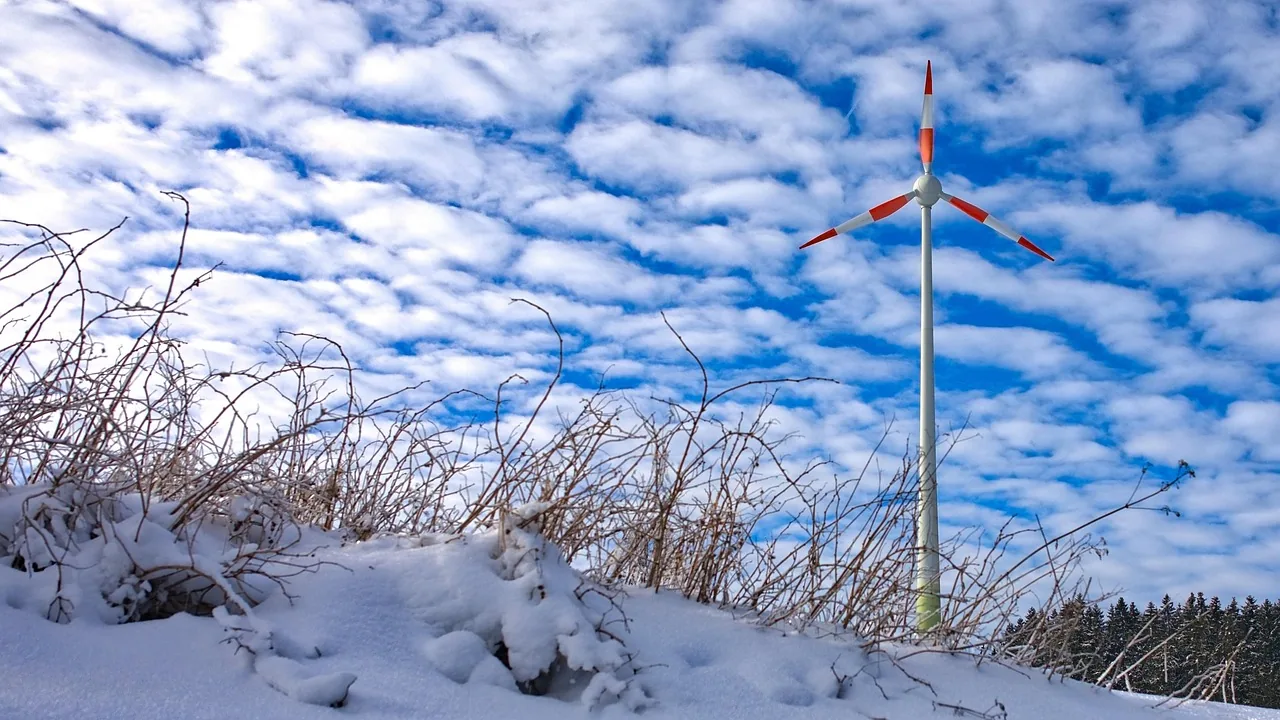
Iron-air battery startup Ore Energy secured $43 million in Series A funding to advance its multi-day energy storage technology. The European company plans to use the capital for commercialization efforts.
Dutch iron-air battery developer Ore Energy has closed a US$43 million Series A funding round, one of the larger early-stage capital raises in the long-duration energy storage sector so far this year, as investors continue to seek alternatives to lithium-dependent battery chemistries.
A Chemistry Built for the Long Haul
Ore Energy's technology is built around iron-air batteries, a chemistry that stores energy through controlled oxidation and reduction of iron — a widely available and relatively inexpensive material. Unlike lithium-ion systems, which are designed primarily for short-duration discharge cycles measured in hours, iron-air batteries are engineered for multi-day storage, with the company's systems capable of operating over an extended discharge window. That positions Ore Energy's product for grid applications where renewable generation gaps can stretch well beyond what conventional battery storage can economically bridge.
The Dutch startup's focus on sidestepping lithium supply chains entirely has drawn attention at a moment when concerns over critical mineral sourcing, pricing volatility, and geopolitical concentration continue to complicate procurement planning for utilities and grid operators across Europe and beyond.
Series A Closes as European Deal Pipeline Grows
The US$43 million round is intended to support commercialization of Ore Energy's multi-day storage technology. The funding announcement arrived alongside separate news that the company had secured what it described as the largest iron-air battery deal yet signed in continental Europe. Neither the identity of the European counterparty nor the capacity or financial terms of that deal were detailed in available reporting, but the company characterized it as a significant commercial milestone in the region.
The timing of the two announcements — a major customer agreement paired with a substantial funding close — suggests Ore Energy is attempting to move from the demonstration and development phase toward early commercial deployment. Long-duration storage companies have faced persistent challenges converting technical promise into bankable projects at scale, and pairing revenue-generating contracts with equity capital is a pattern that investors in the sector have increasingly required before committing at the Series A stage.
Broader Context: Investor Appetite for Non-Lithium Storage
Ore Energy's raise reflects a wider shift in how capital is flowing through the energy storage landscape. While lithium-ion continues to dominate deployed capacity globally, a growing cohort of investors and project developers are hedging toward alternative chemistries that could deliver cost-competitive performance over longer discharge durations — a segment where lithium-ion faces fundamental electrochemical and economic constraints.
Iron-air technology has attracted renewed interest in part because iron is among the most abundant metals on Earth, and the chemistry avoids many of the materials that have become flashpoints in supply chain debates, including cobalt, nickel, and lithium itself. Developers in the space argue that this abundance translates into a structural cost advantage at scale, though commercial validation at grid-relevant capacities remains limited across the industry.
Ore Energy's position as a European-headquartered developer is also notable given the region's policy momentum around long-duration storage. European grid operators are confronting the challenge of integrating increasing shares of intermittent wind and solar capacity, and multi-day storage is viewed by some system planners as a necessary complement to shorter-duration assets already being deployed at scale.
What Comes Next
The Series A proceeds are earmarked for commercialization efforts, though the specific allocation — whether toward manufacturing scale-up, project development, additional hiring, or some combination — was not spelled out in available reporting. The company's path to revenue will depend in part on converting its European pipeline into operational projects and demonstrating the performance and economics of iron-air storage under real grid conditions.
For the broader iron-air segment, Ore Energy's funding round and commercial contract represent meaningful data points in a technology category that has seen relatively few large-scale deployments to date. Whether the momentum translates into a wave of similar announcements from competitors or project financiers will likely depend on how quickly Ore Energy and its peers can move from promising chemistry to proven infrastructure.
Sources (3)
Methodology: This article was synthesized from three source reports covering the same funding announcement, drawing on complementary details across all three to construct a unified account.