Original · GridDigest
China regulators call for end to below-cost solar competition
By GridDigest Editorial · August 7, 2026 · synthesized from 3 sources
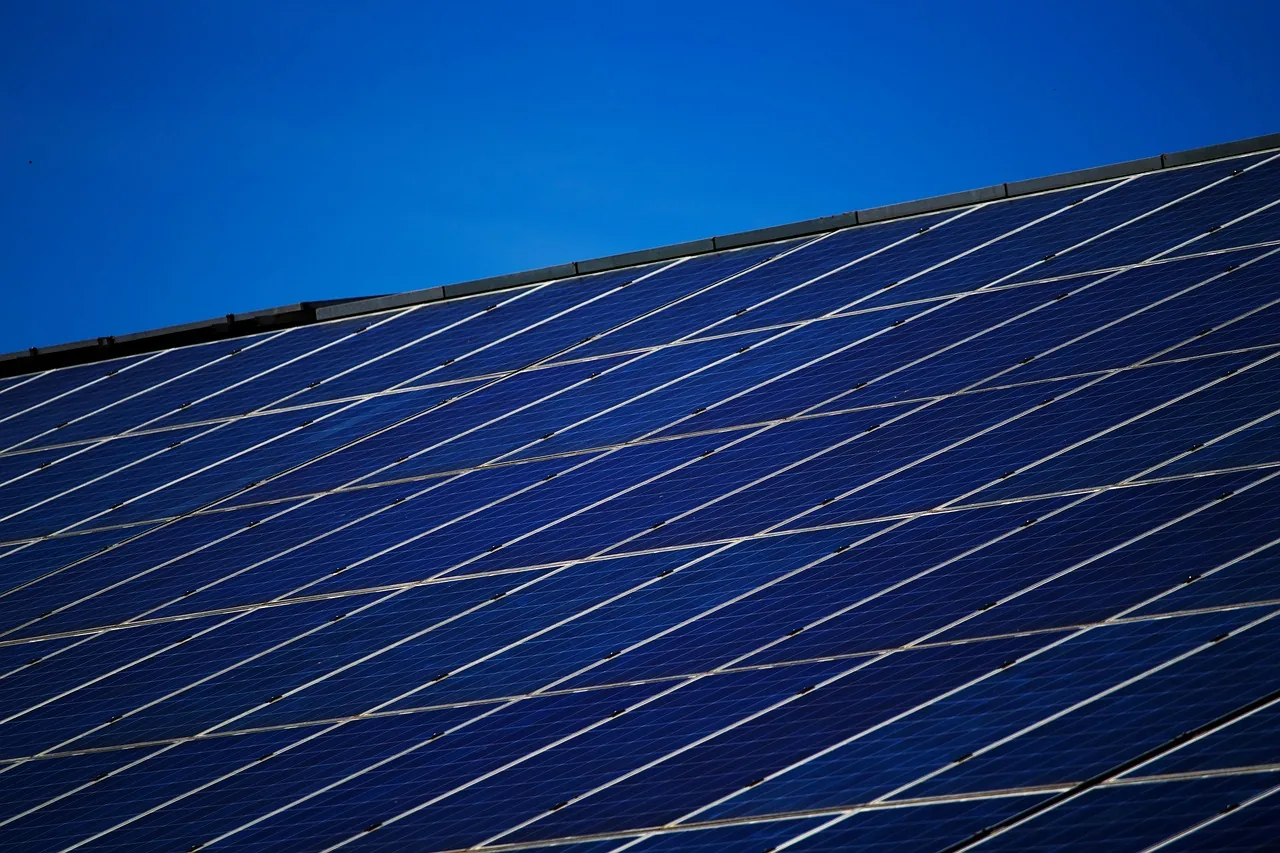
Chinese regulators are urging domestic solar manufacturers to stop destructive below-cost competition but have not yet imposed a formal price floor.
Chinese regulators have signaled a shift in tolerance toward the prolonged price war gripping the country's solar manufacturing sector, calling on producers to stop selling panels below the cost of production — though no binding price floor mechanism has yet been put in place.
Regulators Raise Alarm Over Destructive Pricing
Authorities in China have moved to publicly address what industry observers have characterized as ruinous competition among domestic solar panel manufacturers. The intervention represents an acknowledgment at the regulatory level that sustained below-cost selling has become a structural threat to the sector's long-term health, even as it has driven down module prices globally in the near term.
The calls to action stop short of mandating specific pricing thresholds. No formal price floor has been established, meaning manufacturers retain discretion over their own pricing strategies for the time being. The regulatory posture at this stage appears to be one of guidance and public pressure rather than enforceable rule-making.
Context: A Prolonged Industry Squeeze
China's solar supply chain has faced sustained financial strain following years of aggressive capacity expansion that outpaced demand growth. The resulting oversupply pushed module prices sharply lower, squeezing margins across the manufacturing base and raising concerns about the viability of smaller producers. While lower panel prices have generally benefited project developers and accelerated deployment internationally, the domestic manufacturing sector has absorbed significant losses.
The latest regulatory intervention reflects growing concern that continued below-cost competition could destabilize an industry that China has positioned as a strategic national asset. Whether informal pressure from regulators will be sufficient to shift pricing behavior — absent formal enforcement tools — remains an open question.
What Comes Next
The absence of a formal price floor leaves the situation fluid. Industry participants will likely be watching closely for any follow-on regulatory steps, including whether authorities move toward codified minimum pricing rules or other structural interventions such as capacity rationalization measures. The distinction between a voluntary appeal to manufacturers and a binding regulatory requirement is significant: without enforcement mechanisms, individual producers facing financial pressure may find it difficult to unilaterally raise prices even if the broader industry would benefit from doing so.
The development also carries implications for solar markets outside China, where the availability of low-cost Chinese modules has shaped procurement economics for utility-scale and distributed generation projects alike. Any sustained upward movement in Chinese panel prices, whether driven by regulatory action or market consolidation, would feed through to project costs in importing regions.
Sources (3)
Methodology: This article was synthesized from three source reports covering the same story, all conveying identical core information about Chinese regulatory pressure on solar manufacturers.