Original · GridDigest
US awards $490M loan for 220 MW battery storage in Puerto Rico
By GridDigest Editorial · August 7, 2026 · synthesized from 3 sources
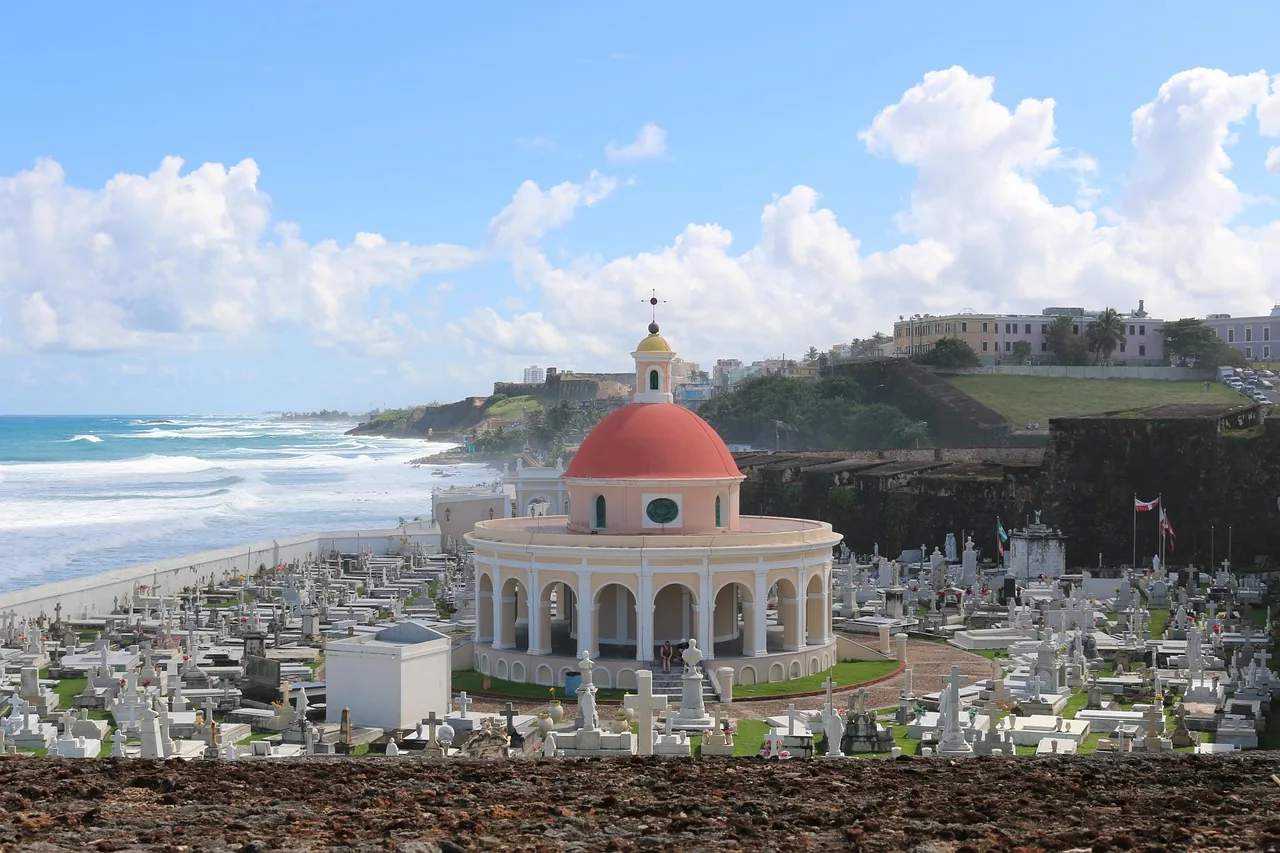
The loan will fund battery systems in Arecibo and Santa Isabel, projected to provide backup power to over 100,000 customers and prevent approximately 13 million hours of service interruptions.
The U.S. Department of Energy has finalized a loan of approximately $489–$490 million to fund the deployment of 220 megawatts of battery energy storage capacity across two sites in Puerto Rico, marking a significant federal investment in grid resilience for the island.
Sites and Scale
The battery storage systems will be installed at locations in Arecibo and Santa Isabel, two municipalities that anchor different regions of Puerto Rico's electricity grid. The combined 220 MW of capacity is intended to address the island's chronic reliability challenges, which have persisted in the years following a series of devastating hurricanes and ongoing infrastructure failures.
Federal estimates project that the systems will be capable of delivering backup electricity to more than 100,000 customers during grid disruptions. Authorities also anticipate that the projects will eliminate roughly 13 million hours of service interruptions over their operational lifetime, a figure that reflects the scale of outage burdens residents and businesses have historically faced.
Financial Details and Long-Term Savings
Sources reported the loan amount as either $489 million or $490 million, a minor discrepancy likely attributable to rounding in different agency communications. The DOE's finalized figure, as cited in the most detailed source, stands at $489 million.
Beyond the upfront deployment costs, the investment is projected to generate long-term economic benefits. Estimates place cumulative savings at $312.5 million over a 25-year period, a calculation that likely accounts for avoided outage costs, reduced reliance on backup generation, and efficiencies gained from storing renewable energy during periods of excess production.
Grid Resilience and Domestic Manufacturing
The loan is structured to support not only the physical infrastructure in Puerto Rico but also domestic manufacturing supply chains associated with the battery systems. This dual focus aligns with broader federal policy goals of strengthening U.S.-based production of grid storage components while simultaneously modernizing vulnerable electricity networks in territories and states.
Puerto Rico's grid has been a persistent focus of federal attention since Hurricane Maria struck in 2017, causing one of the longest blackouts in U.S. history. Subsequent storms and the aging condition of transmission and distribution infrastructure have continued to drive outages across the island. Battery storage systems of this scale can provide grid operators with additional flexibility to manage supply shortfalls, absorb excess renewable generation, and sustain critical loads during periods when centralized generation or transmission is unavailable.
Context Within Puerto Rico's Energy Transition
The Arecibo and Santa Isabel projects fit within a wider effort to shift Puerto Rico's electricity system away from its historical dependence on imported fossil fuels. The island has set targets for expanded renewable energy deployment, and battery storage is considered a prerequisite for integrating higher shares of solar and wind generation reliably. By pairing storage capacity with renewable resources already under development, grid operators can reduce curtailment and improve the dispatchability of clean energy.
The DOE loan, administered through the department's Loan Programs Office, provides financing on terms that may not be available through conventional capital markets, particularly for projects in a territory whose utility sector has experienced financial and operational instability. Federal backing through a loan guarantee or direct loan can lower borrowing costs and reduce project risk for developers, potentially accelerating timelines that might otherwise be delayed by financing constraints.
With the loan now finalized, project developers are expected to move forward with procurement, permitting, and construction across both sites, though specific timelines for completion were not detailed in the available source material.
Sources (3)
Methodology: This article was synthesized from three source reports covering the same DOE loan announcement for Puerto Rico battery storage projects, reconciling a minor discrepancy in the reported loan amount across sources.