Original · GridDigest
SECI awards 1 GW round-the-clock renewables tender at INR 5.25/kWh
By GridDigest Editorial · August 10, 2026 · synthesized from 3 sources
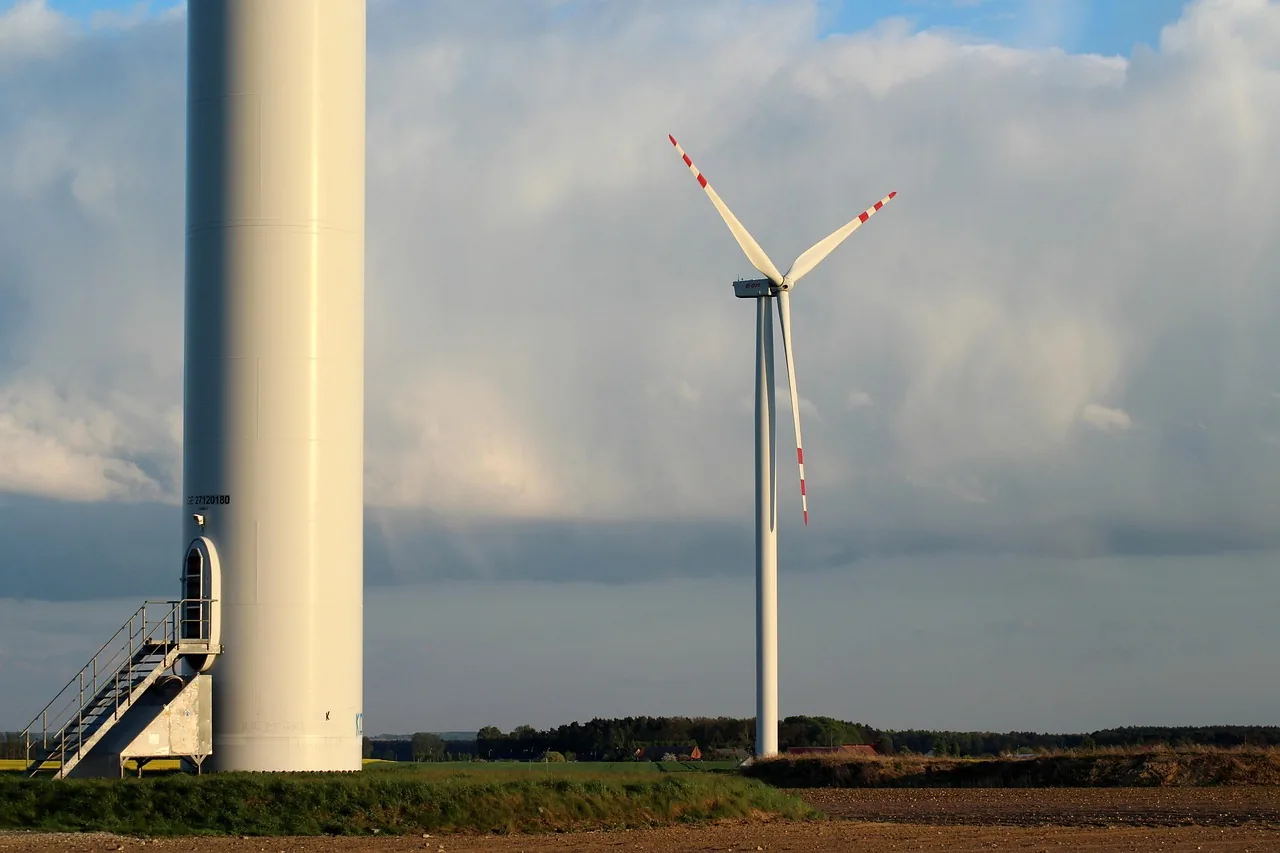
The Solar Energy Corp. of India (SECI) has awarded contracts for 1 GW of firm and dispatchable renewable energy on a round-the-clock basis at a lowest tariff of INR 5.25/kWh, with projects connected to the national grid and backed by energy storage.
India's state-owned renewable energy procurement agency has concluded a significant competitive bidding process, revealing pricing benchmarks for storage-backed, always-on clean power supply at a national scale.
SECI Awards 1 GW Firm Dispatchable Renewables Tender
The Solar Energy Corporation of India (SECI) has completed its tender to procure 1 gigawatt of firm and dispatchable renewable energy (FDRE) on a round-the-clock (RTC) basis, with results pointing to a lowest discovered tariff of INR 5.25 per kilowatt-hour. At prevailing exchange rates, that figure translates to approximately $0.055 per kilowatt-hour, placing the benchmark in a range that reflects the added cost of pairing variable renewable generation with energy storage to deliver continuous, grid-reliable output.
The procurement targets projects connected to India's Inter-State Transmission System (ISTS), a designation that allows developers to site generation and storage assets across state boundaries and wheel power to where it is needed, rather than constraining supply to a single state grid.
What Round-the-Clock Procurement Means
Unlike conventional renewable energy tenders, which typically purchase electricity only when the sun shines or the wind blows, FDRE-RTC contracts require developers to guarantee power delivery at any hour of the day. Meeting that obligation generally demands a combination of solar or wind generation paired with battery storage or other firming technologies, making these projects structurally more complex and capital-intensive than standard intermittent-renewable procurements.
The 1 GW capacity block sought under this tender represents a meaningful volume of always-on clean power for India's grid, where system operators have increasingly sought dispatchable renewable supply to complement the country's rapidly expanding but weather-dependent solar and wind fleet.
Tariff in Context
The INR 5.25/kWh figure represents the lowest bid submitted during the competitive discovery process. In Indian procurement practice, the "discovered tariff" reflects the outcome of a reverse auction or similar competitive mechanism rather than a ceiling set by the procurer, meaning at least one developer was prepared to supply firm, storage-backed renewable power at that rate.
All three source reports are consistent on the core figures—1 GW of contracted capacity and INR 5.25/kWh as the lowest tariff—though none of the available sources identify the specific winning developers by name or disclose how the 1 GW total was allocated among bidders. Further details on project timelines, storage technology specifications, and offtake arrangements were not available in the source material.
Broader Significance for India's Storage-Backed Renewables Market
SECI has been a central vehicle for India's ambitions to scale up renewables procurement, and its FDRE-RTC tenders occupy a distinct tier within that effort by placing a market-discoverable price on the reliability premium associated with energy storage integration. The INR 5.25/kWh outcome will likely serve as a reference point for future rounds of similar procurement, both by SECI and by state-level utilities evaluating whether round-the-clock renewable contracts can compete economically with conventional dispatchable generation sources such as coal or gas.
India's broader policy framework has pushed toward higher shares of non-fossil power, and firm dispatchable renewables are widely regarded as a mechanism to address the grid-balancing challenges that accompany large-scale variable generation deployment. Tenders structured around ISTS connectivity allow the central government to leverage the best renewable resource zones across multiple states while directing output to demand centers through the national transmission backbone.
Sources (3)
Methodology: This article was synthesized from three source reports covering the same SECI tender announcement, consolidating consistent figures and terminology across all three sources.