Original · GridDigest
Sodium-ion battery prototypes approach 200 Wh/kg energy density
By GridDigest Editorial · August 11, 2026 · synthesized from 3 sources
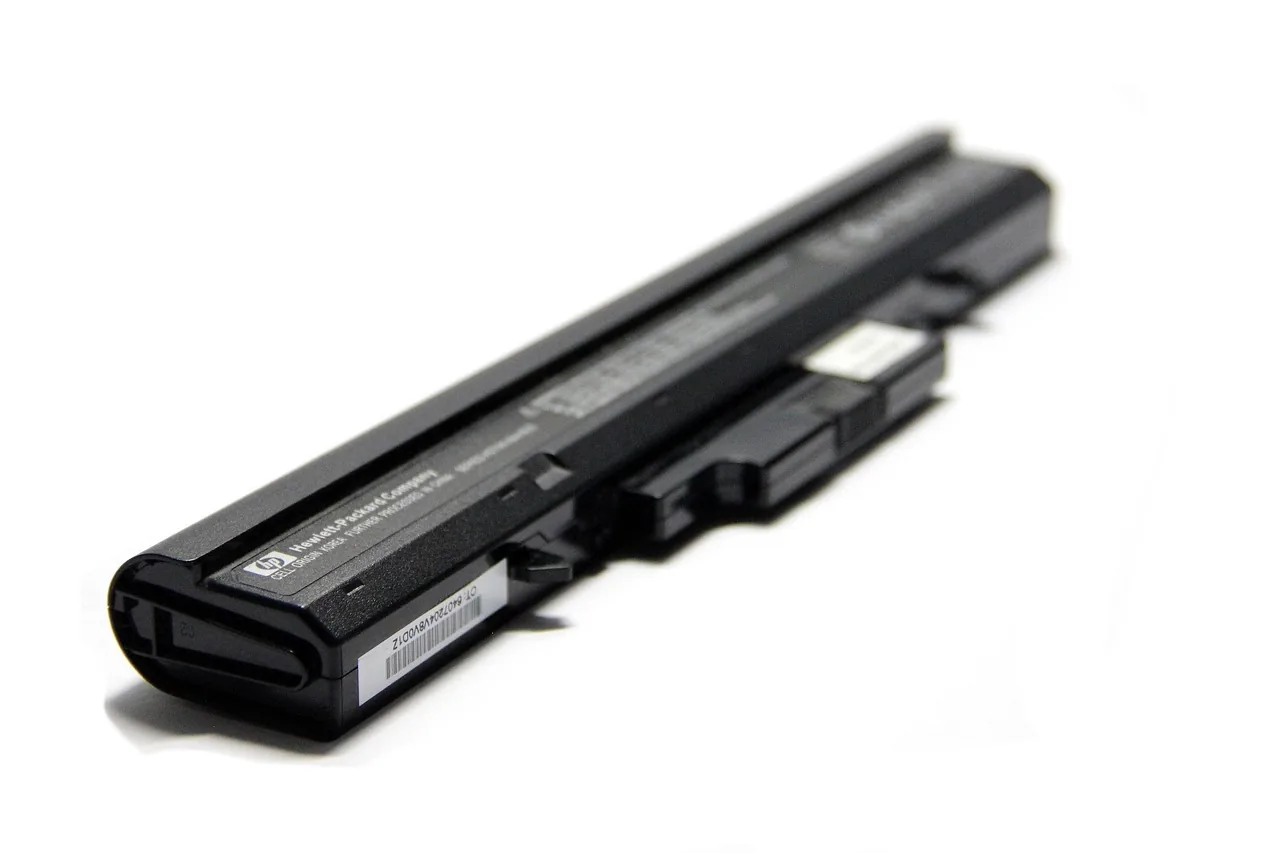
Researchers say sodium-ion batteries offer a lower-cost, more sustainable alternative to lithium-ion, with recent advances in materials and electrolytes improving performance. Key obstacles remain: lower energy density, shorter cycle life, and manufacturing constraints.
An international research team has published a comprehensive review of sodium-ion battery technology, concluding that prototype cells are closing in on 200 Wh/kg in energy density — a benchmark that signals meaningful progress toward commercial viability for a chemistry long considered a lower-performing alternative to lithium-ion.
A Cheaper, More Abundant Chemistry Gains Ground
Sodium-ion batteries have drawn sustained interest from the energy storage community largely because of their cost and resource profile. Sodium is far more abundant and geographically widespread than lithium, and the supply chains required to produce sodium-ion cells are expected to carry a lower cost burden than those supporting conventional lithium-ion manufacturing. The international team's review underscores these advantages, framing sodium-ion technology as a more sustainable pathway for grid-scale and potentially consumer-facing storage applications.
The approach to 200 Wh/kg is notable because it narrows the gap with entry-level lithium-ion chemistries, which have historically held a decisive energy density advantage. While sodium-ion cells still trail the best lithium-ion systems in this metric, the trajectory identified in the review suggests that gap is no longer a fixed obstacle.
Key Technical Hurdles Remain
Despite the progress, the researchers are candid about the challenges that continue to constrain sodium-ion technology. Energy density, even as it improves, remains lower than established lithium-ion formulations, limiting immediate applicability in use cases where weight and volume are at a premium — such as electric vehicles with demanding range requirements.
Cycle life presents a separate concern. The review identifies shorter operational lifespans as a persistent weakness, one that affects the long-term economics of deploying sodium-ion systems in applications that demand high charge-discharge frequency over many years. For grid storage operators accustomed to evaluating total cost of ownership over decade-long horizons, cycle life is a critical variable.
Manufacturing constraints round out the trio of primary challenges noted by the team. Scaling laboratory-level advances into high-volume, consistent production remains a non-trivial problem, and the review suggests that bridging the gap between materials science breakthroughs and commercial-scale fabrication will require focused engineering work beyond what pure chemistry research can provide.
Materials and Electrolyte Advances Driving Progress
On the positive side, the review points to ongoing developments in electrode materials and electrolyte formulations as the principal drivers of the performance gains now being recorded in advanced prototypes. Improvements in cathode and anode materials have been central to pushing energy density upward, while electrolyte research is addressing issues related to both performance stability and safety across operating conditions.
The researchers treat these two areas — materials and electrolytes — as closely linked levers. Advances in one domain frequently interact with requirements in the other, meaning that coordinated progress across both fronts is likely necessary to unlock the full commercial potential of the chemistry. The review frames this materials-electrolyte co-development as an important focus area for the field going forward.
Commercialization Outlook
The international team's review positions sodium-ion technology as a legitimate candidate for broader commercialization, though it stops short of projecting specific timelines. The combination of cost advantages, improving energy density, and a manufacturing base that can draw on existing lithium-ion production knowledge creates a plausible path to market — particularly for stationary storage applications where energy density constraints are less penalizing than in mobile use cases.
The 200 Wh/kg figure associated with leading prototypes serves as a concrete indicator of how far the technology has advanced from earlier generations, even as the review makes clear that sustained progress on cycle life and manufacturing scalability will be equally important to whether sodium-ion cells ultimately achieve widespread deployment. The field, according to the researchers, is at a stage where the fundamental scientific case is strengthening and the remaining barriers are increasingly engineering and economic in nature rather than purely chemical.
Sources (3)
Methodology: This article was synthesized from three source reports covering the same underlying story, all carrying identical core content, drawing on a single international scientific review of sodium-ion battery technology.