Original · GridDigest
US inverter makers could meet demand post-FCC ban, Wood Mac says
By GridDigest Editorial · August 11, 2026 · synthesized from 3 sources
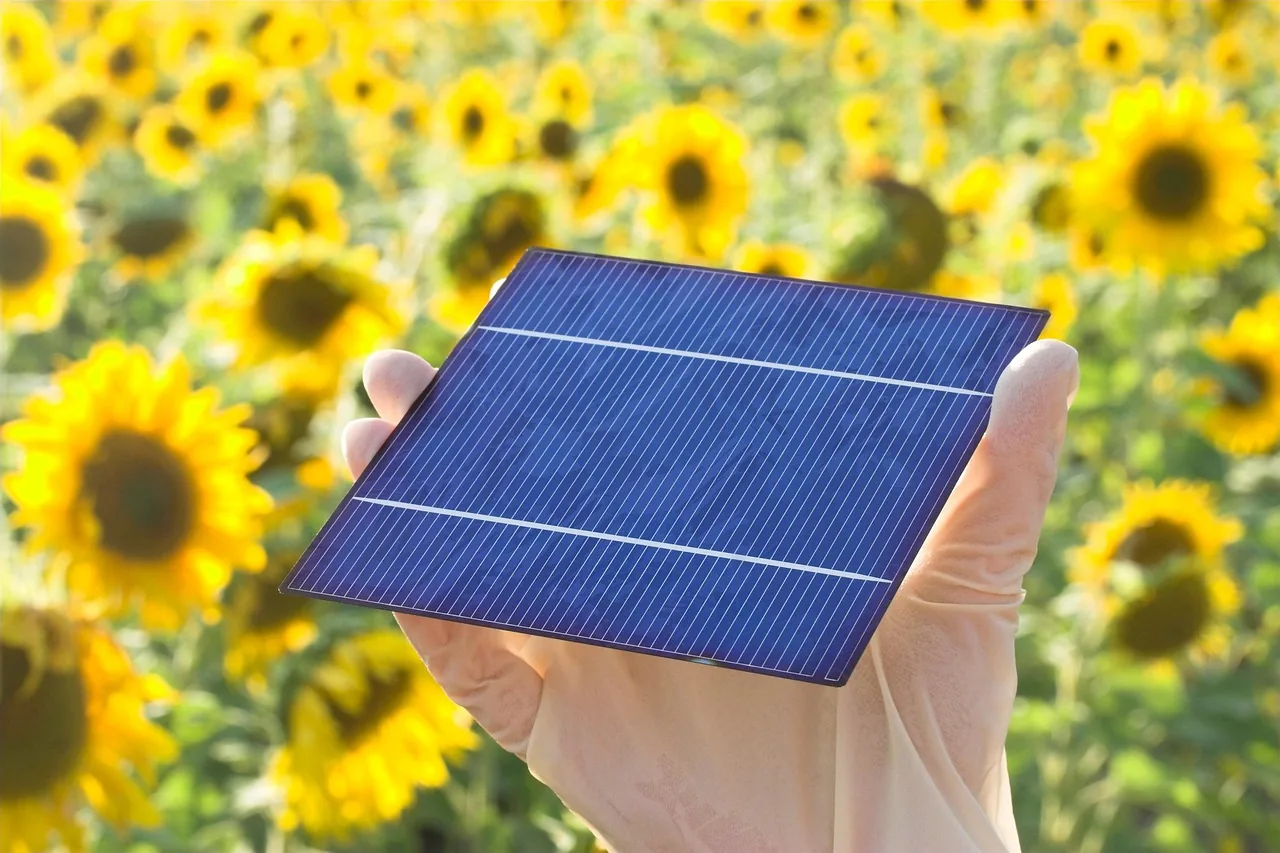
Over 100 GWAC of new domestic solar inverter manufacturing capacity is planned to begin production before 2028, potentially meeting US demand following the FCC's ban on new foreign inverter products.
The United States is on track to surpass 100 gigawatts of annual solar inverter and power conversion system manufacturing capacity by 2027, according to a new market analysis from Wood Mackenzie, as regulatory pressure from the Federal Communications Commission accelerates a domestic production buildout.
FCC Action Reshapes the Supply Chain
The FCC's decision to add foreign-made inverters to its "Covered List" of prohibited or restricted equipment has emerged as a pivotal driver behind the anticipated manufacturing expansion. The designation effectively clouds the future of foreign-sourced inverter products in the U.S. market, creating both urgency and opportunity for domestic producers. Chinese suppliers had previously held a commanding position in the sector, accounting for nearly half of the inverter market before the regulatory shift. The FCC's intent, as the analysis characterizes it, is unambiguous in steering procurement away from foreign-manufactured equipment.
Battery energy storage systems, which rely on inverters embedded within their power conversion systems, are among the product categories affected by these changes. The breadth of the Covered List addition means that both the solar generation and storage segments face supply chain realignment, not just standalone photovoltaic applications.
Domestic Capacity Surge Underway
Wood Mackenzie's projections indicate that more than 100 gigawatts of new announced solar inverter manufacturing is scheduled to begin production before 2028. If those planned expansions are completed on schedule, the analysis concludes that domestic manufacturers could realistically satisfy U.S. demand in a post-restriction environment — a scenario that would have seemed unlikely only a few years ago when Chinese suppliers dominated the import market.
The firm expects combined photovoltaic inverter and power conversion system capacity to exceed 100 GWac annually by 2027, a threshold that would broadly align domestic output with projected installation demand. The qualifier remains important: Wood Mackenzie's scenario depends on announced projects following through to commissioning, a condition that carries its own execution and financing risks not detailed in the current analysis.
Market Transition Still Carries Uncertainty
While the trajectory of domestic investment appears robust in aggregate, the transition is not without complications. Foreign-made inverters, particularly those from Chinese manufacturers, had established deep footholds in U.S. project pipelines due to their cost competitiveness and availability. Displacing roughly half the market within a compressed timeline requires that incoming domestic capacity not only come online but do so at commercially competitive price points.
The FCC's Covered List classification introduces legal uncertainty for future procurement of foreign products, but does not necessarily resolve near-term project needs for developers who have already structured supply agreements or are mid-construction. How those transitional cases are handled — and whether domestic manufacturers can absorb demand without supply gaps — remains an open question across the industry.
Battery storage developers face a parallel challenge, given that power conversion systems are integral to grid-scale BESS installations. Any disruption or cost escalation in the inverter supply chain carries downstream implications for storage project economics, interconnection timelines, and ultimately the pace of grid modernization.
Looking Ahead
The Wood Mackenzie analysis presents a conditionally optimistic outlook: if announced manufacturing commitments materialize, the U.S. inverter sector could achieve a degree of supply self-sufficiency not previously seen in the modern clean energy era. The 100 GWac benchmark by 2027 would represent a substantial structural shift away from import dependence that has characterized the sector for well over a decade.
Whether investment momentum holds through the remainder of the decade will depend on factors including federal policy stability, construction and permitting timelines for new facilities, and the broader trajectory of solar and storage deployment that determines actual demand levels. The regulatory signal from the FCC has been received clearly by the market; translating that signal into installed, operational capacity is the next test.
Sources (3)
Methodology: This article was synthesized from three source reports covering the same Wood Mackenzie analysis on U.S. inverter manufacturing capacity, drawing on consistent facts across all three sources.