Original · GridDigest
Energy Dome, SRP to build 19 MW CO2 battery in Arizona
By GridDigest Editorial · June 19, 2026 · synthesized from 4 sources
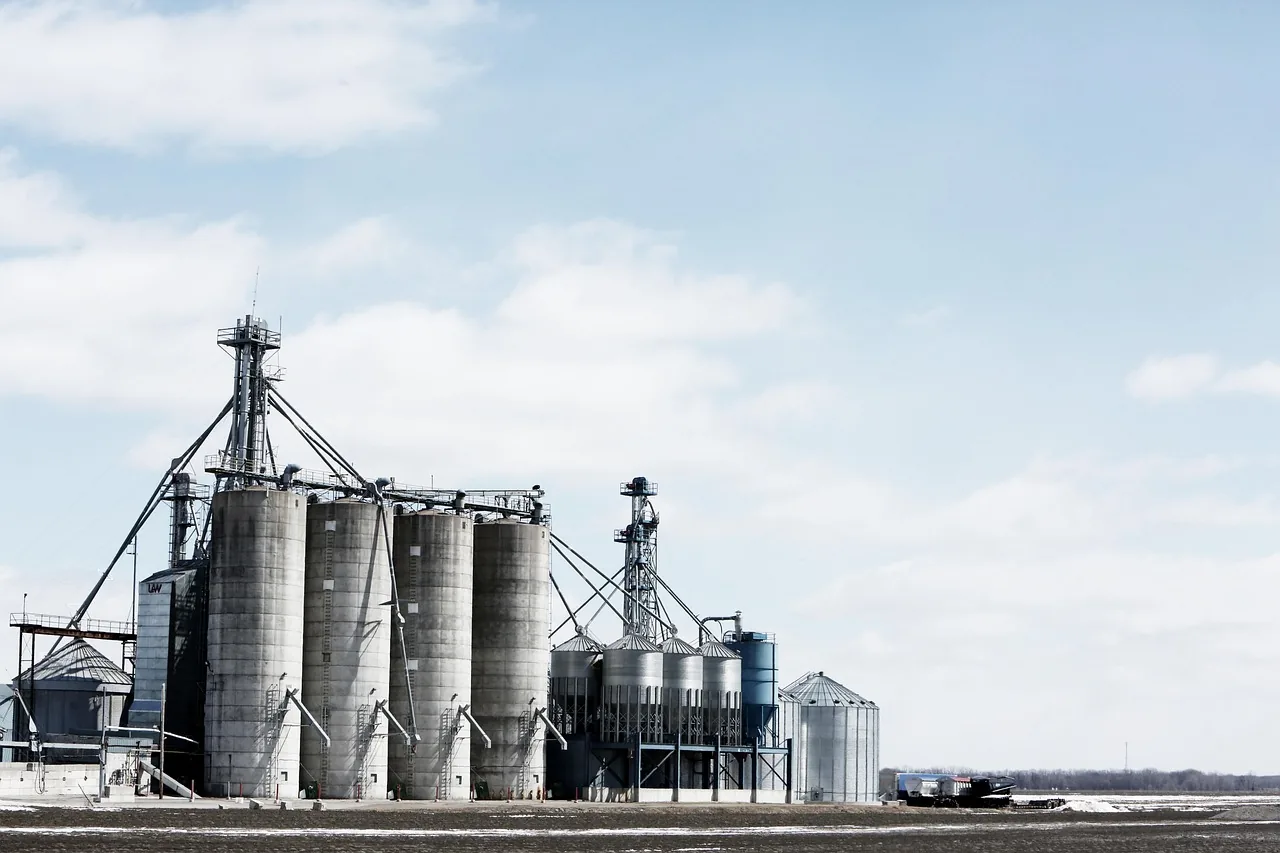
Energy Dome and Salt River Project plan a 19 MW, 10-hour compressed CO2 battery at Arizona's Coronado facility, expected online in 2029. The project will store enough energy to power approximately 4,275 homes for 10 hours.
Energy Dome and the Salt River Project (SRP) have reached a 20-year tolling agreement to develop a 19 MW, 10-hour compressed carbon dioxide energy storage system at Arizona's Coronado generating facility, marking one of the more significant deployments yet of a non-lithium long-duration storage technology in the United States.
Project Basics
The system, backed in part by Google, is expected to come online in 2029. According to SRP, the installation will hold enough stored energy to supply roughly 4,275 homes for a continuous 10-hour period. The Coronado site, an existing power plant, was chosen in part because co-locating new storage with legacy generation infrastructure reduces the complexity of grid interconnection and limits the need for additional transmission buildout—an increasingly common rationale as developers look to repurpose older fossil-fuel assets.
How CO2 Battery Technology Works
Energy Dome's system stores energy by compressing carbon dioxide into a liquid state when power is cheap or abundant, then releasing and expanding the gas through a turbine to regenerate electricity when demand rises. Unlike conventional battery chemistries, the process relies on CO2 as the working fluid in a closed loop, meaning no carbon is emitted during operation. The approach is positioned as an alternative to lithium-ion systems, which dominate shorter-duration storage markets but face scaling challenges at durations of eight hours or more.
Long-Duration Storage in Focus
The agreement reflects broader momentum behind non-lithium storage technologies as grid operators seek solutions capable of firming up renewable generation over longer discharge windows than standard four-hour battery packs allow. Analysts and developers have increasingly pointed to the 8-to-12-hour range as a critical gap: long enough to bridge evening demand peaks after solar generation drops, yet shorter than the multi-day seasonal storage that hydrogen or pumped hydro projects target. Energy Dome's compressed CO2 design sits squarely in that window. Google's involvement, noted across multiple reports covering the project, underscores the growing interest from large corporate energy buyers in accelerating storage technologies that could eventually support around-the-clock clean power procurement.
Infrastructure Reuse as a Model
The Coronado siting strategy draws attention beyond the technology itself. Placing new storage at a retiring or existing generation facility allows developers to leverage already-permitted land, established grid connections, and in some cases existing mechanical infrastructure—factors that can meaningfully compress both project timelines and costs. SRP's decision to structure the deal as a 20-year tolling arrangement provides Energy Dome with long-term revenue certainty, a financing structure commonly used to de-risk first-of-kind or early-commercial energy projects. Whether the Coronado project serves as a template for further deployments at comparable sites remains to be seen, but the combination of an established offtake contract, a major utility partner, and a prominent technology backer gives the project a profile that could influence how other utilities evaluate similar storage options in the years ahead.
Sources (4)
Methodology: This article was synthesized from four source reports covering the same Energy Dome–Salt River Project CO2 battery announcement, drawing on complementary details across all four sources.