Original · GridDigest
Off-river pumped hydro identified as vast long-duration storage resource
By GridDigest Editorial · August 13, 2026 · synthesized from 3 sources
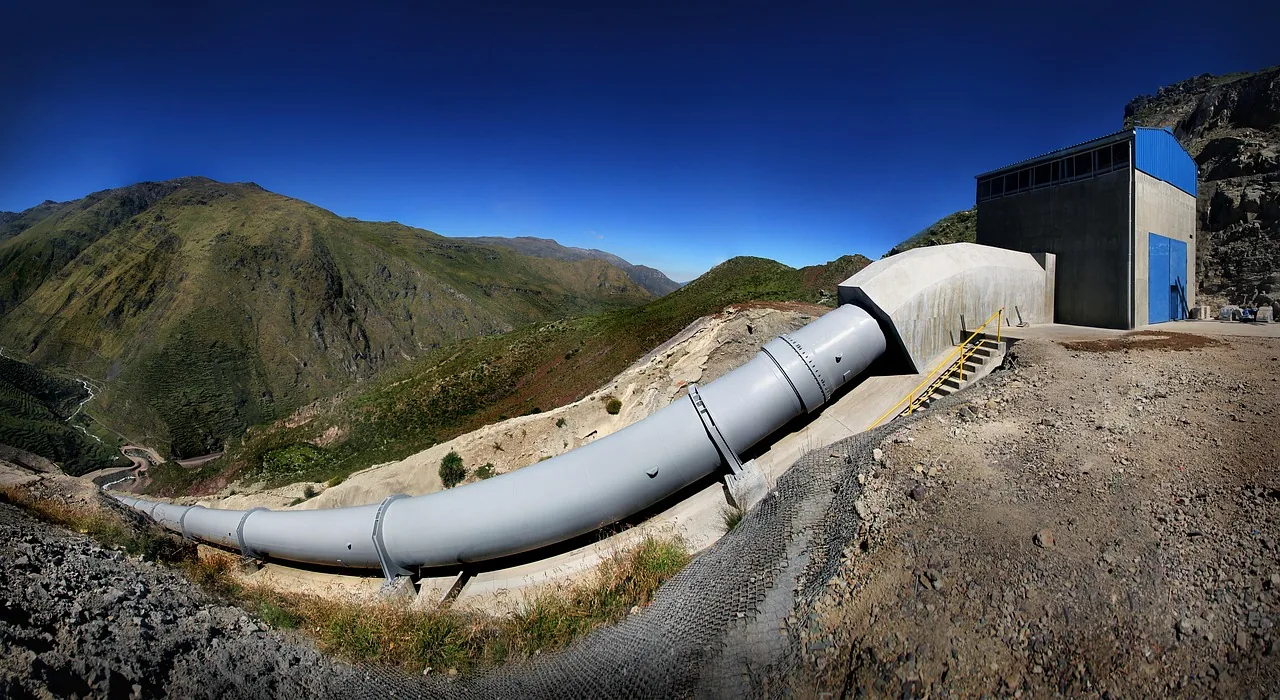
Study identifies 800,000 potential off-river pumped hydro sites worldwide with capacity far exceeding global needs. The technology offers mature, low-cost long-duration storage to complement batteries on renewable-heavy grids.
As electricity grids shift toward solar and wind generation, the need for long-duration energy storage has moved to the center of grid-planning discussions. Off-river pumped hydro storage is emerging as a leading candidate to meet that need at scale, with researchers and analysts pointing to a global inventory of roughly 800,000 potential sites capable of storing far more energy than the world currently requires.
A Technology Suited to the Renewable Era
Pumped hydro storage operates by moving water between two reservoirs at different elevations, generating electricity as water flows downhill and consuming it to pump water back up during periods of surplus generation. Unlike conventional hydropower, off-river configurations do not depend on natural river flows, meaning sites can be developed in a far wider range of locations without the ecological disruption associated with large-scale river damming.
The technology is considered mature, having operated reliably in various forms for more than a century. That long track record translates into well-understood engineering costs, predictable maintenance requirements, and lifespans that can extend across multiple decades — characteristics that distinguish pumped hydro from many newer storage technologies still working through early commercial deployment.
Scale and Geographic Reach
The figure of 800,000 potential off-river sites worldwide underscores the geographic breadth of the opportunity. Analysts note that the aggregate storage capacity implied by these sites vastly exceeds projected global requirements, suggesting that resource availability alone is unlikely to be a binding constraint on deployment. The challenge instead lies in site selection, permitting, financing, and integration with the broader grid.
Because off-river systems can be sited in many regions independently of large river systems, they offer a degree of local deployability that complements the distributed nature of solar and wind generation. A region with strong solar resources but no major rivers, for example, could in principle develop pumped hydro storage nearby rather than relying entirely on long-distance transmission to import stored energy from elsewhere.
Complementing Batteries, Not Competing
A recurring theme in assessments of pumped hydro's role is its relationship to battery storage, particularly lithium-ion systems that have expanded rapidly in recent years. The two technologies are generally characterized as complementary rather than competitive, addressing different segments of the storage duration spectrum.
Batteries are well suited to short-duration applications — smoothing out fluctuations over minutes to hours, providing frequency regulation, and capturing daily solar generation surpluses for use in the evening. Pumped hydro, by contrast, becomes economically attractive for deeper storage needs: multi-day or even seasonal storage that allows grids to bridge extended periods of low wind and solar output.
In high-renewable grid scenarios, those extended low-generation periods — sometimes called "dark doldrums" when cloud cover and calm winds coincide — represent one of the most difficult reliability challenges. Pumped hydro's ability to store large volumes of energy over long timeframes at relatively low cost per unit of capacity makes it a natural fit for that role, providing a buffer that batteries cannot economically replicate at the same scale.
Cost and Longevity Considerations
The cost profile of pumped hydro storage differs substantially from battery systems. Upfront capital costs for pumped hydro projects tend to be high, reflecting the civil engineering work required to construct reservoirs, tunnels, and powerhouses. However, once built, operating costs are low and asset lifespans are long, spreading capital expenditure across many decades of useful service.
This long-lived cost structure aligns well with the economics of grid infrastructure planning, where assets are typically evaluated over extended time horizons. For system planners weighing the total cost of building and operating a high-renewable grid over 30 to 50 years, the durability of pumped hydro installations represents a meaningful advantage relative to technologies that may require replacement or significant refurbishment on shorter cycles.
The combination of global site abundance, proven performance, long asset life, and suitability for deep storage positions off-river pumped hydro as a significant element in long-term grid decarbonization strategies, particularly as solar and wind continue to expand their share of electricity generation worldwide.
Sources (3)
Methodology: This article was synthesized from three source reports containing identical content about off-river pumped hydro storage potential, treated as a single consolidated source.