Original · GridDigest
California solar surpasses natural gas generation in first five months of 2026
By GridDigest Editorial · June 19, 2026 · synthesized from 5 sources
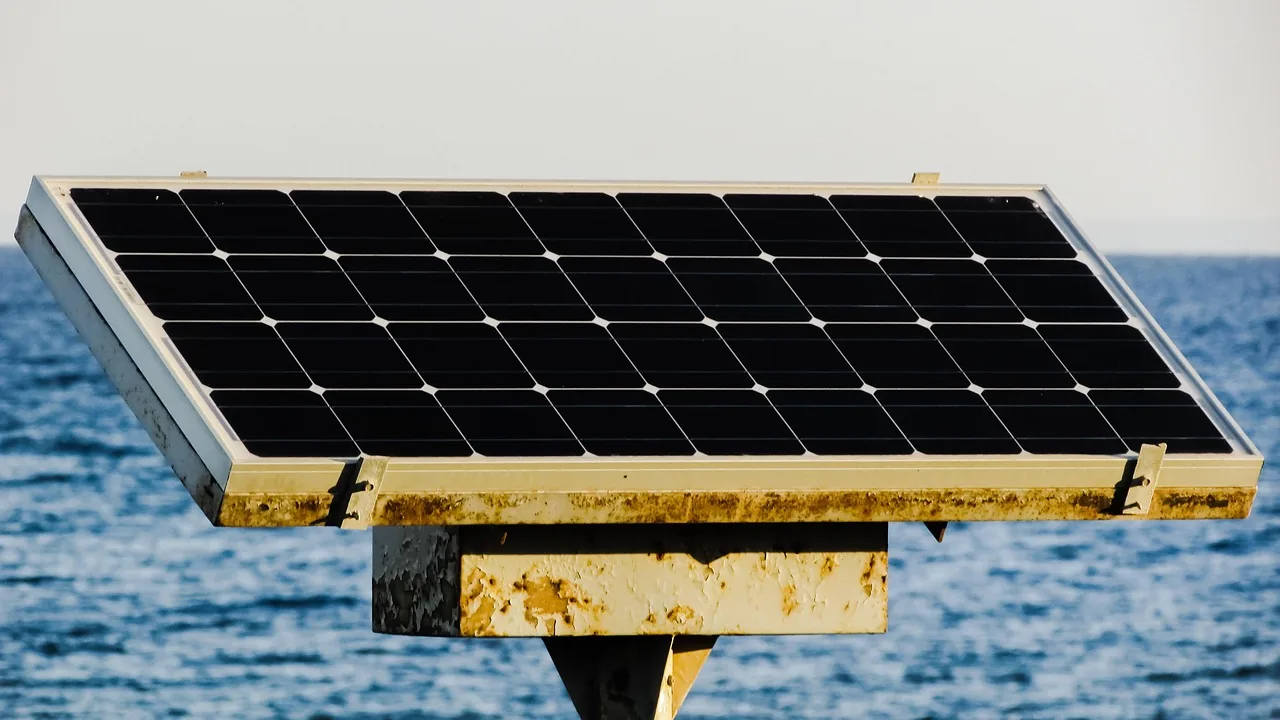
Utility-scale solar in California's CAISO region generated more electricity than natural gas on 82% of days in the first five months of 2026, with solar generation up 21% and gas generation down 60% compared to the same period in 2024.
Utility-scale solar generation in California's main grid region outpaced natural gas output for the vast majority of days through the first five months of 2026, according to data released by the U.S. Energy Information Administration, marking a significant shift in the state's generation mix.
Solar Overtakes Gas Across Most Days
In the California Independent System Operator (CAISO) footprint, utility-scale solar plants produced more electricity than natural gas facilities on 82% of days between January and the end of May 2026. The milestone reflects a convergence of rising solar output and a steep decline in gas-fired generation, with the two trends reinforcing each other to accelerate the crossover.
Solar generation across that period climbed 21% compared with the same five months in 2024, while natural gas output fell by 60% over the same comparison window. The scale of the gas decline is particularly notable, representing a dramatic pullback from a fuel source that has historically served as the backbone of California's dispatchable generation capacity.
Demand Coverage and Grid Penetration
Beyond daily generation comparisons, solar's reach into total grid demand has also expanded substantially. During at least some hours of the day, solar output met 100% of total CAISO demand on 143 of the first 168 days of 2026. That figure underscores how frequently the grid is now absorbing more solar energy than it can consume through native load alone, a condition that has grown more common as installed solar capacity has increased.
The EIA tracks these figures through its Hourly Electric Grid Monitor, which provides a near-real-time view of generation by fuel source across regional grid operators. The CAISO data reflects only utility-scale solar installations and does not capture the large volumes of rooftop and distributed solar that also feed into California's electricity system, meaning the overall contribution of solar to meeting state demand is likely higher than the utility-scale figures alone suggest.
Gas Decline Driven by Multiple Factors
The 60% reduction in natural gas generation compared with the first five months of 2024 is driven by more than just solar displacement. Source reporting also points to a surge in electricity imports as a contributing factor alongside solar growth, suggesting that California is drawing more power from neighboring grid regions while running its own gas plants less frequently.
Natural gas generation in California has historically filled the gaps left by variable renewable output, ramping up in the evenings as solar production fades and during periods of high demand or low renewable availability. The degree to which gas has been displaced in 2026 indicates that the combination of expanded solar capacity and increased import flows is covering a larger portion of those gaps than in prior years.
Context and Trajectory
The data covers only the first five months of 2026, a period that includes the spring shoulder season when solar irradiance is rising and electricity demand is typically lower than summer peaks. Whether solar maintains its lead over natural gas through the high-demand summer months, when air conditioning loads surge and evening ramp requirements increase, remains to be seen from available reporting.
Still, the trend line from 2024 to 2026 is unambiguous in direction. A 21% increase in utility-scale solar output paired with a 60% contraction in gas-fired generation represents a structural rather than incidental shift in how CAISO balances supply and demand on a day-to-day basis. For grid operators and energy planners, the growing frequency of hours in which solar alone can theoretically cover all load also raises continuing questions about storage, curtailment management, and the reliability role that dispatchable resources will need to play as the mix continues to evolve.
Sources (5)
Methodology: This article was synthesized from five source reports covering the same EIA dataset on CAISO solar and natural gas generation trends, drawing on consistent figures across all five sources.