Original · GridDigest
Eos Energy brings second zinc battery manufacturing line online
By GridDigest Editorial · June 19, 2026 · synthesized from 3 sources
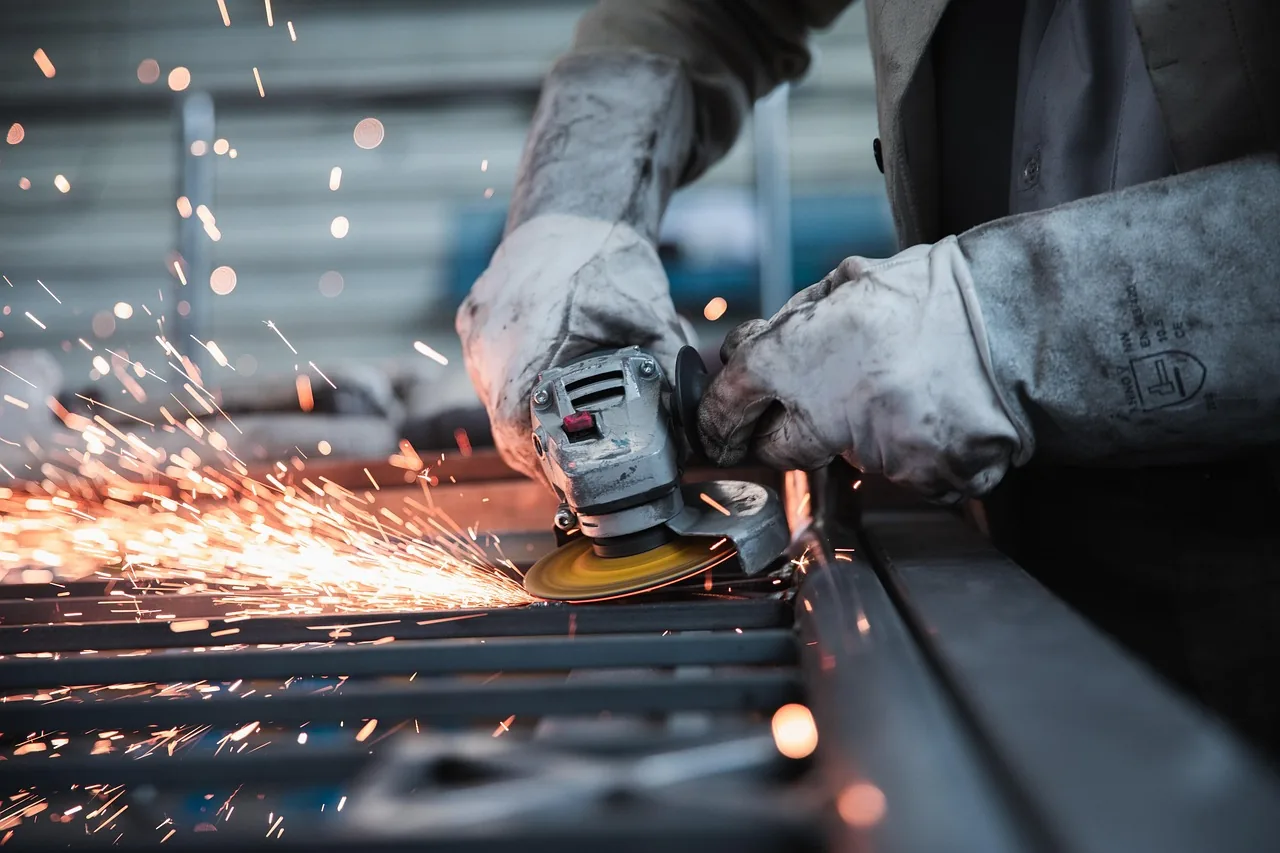
Eos Energy Enterprises activated a second zinc flow battery manufacturing line at its Thorn Hill facility in Pennsylvania. The two Pennsylvania facilities are expected to reach 4 GWh of annual manufacturing capacity by end of 2026.
Eos Energy Enterprises has activated a second zinc-based battery manufacturing line at its Pennsylvania facility while simultaneously adding major new projects in Texas and Scotland to its commercial order book, signaling an accelerating push into the long-duration energy storage market.
Second Manufacturing Line Goes Live in Pennsylvania
The new production line is located at the company's Thorn Hill manufacturing facility in Marshall Township, Pennsylvania, situated in the greater Pittsburgh area. Eos now operates two manufacturing lines in the Pittsburgh region, with the Thorn Hill site representing the company's latest capacity addition. Together, the two facilities are expected to reach a combined annual manufacturing output of 4 gigawatt-hours by the end of 2026, a benchmark Eos frames as central to scaling its domestic production footprint.
The activation of the second line underscores the company's effort to demonstrate repeatable, scalable manufacturing for zinc-based battery technology—a chemistry that remains less commercially established than lithium-ion but that Eos argues is well-suited to the demands of long-duration storage applications, where system longevity, safety, and cost over extended discharge periods matter more than energy density.
Frontier Power Deal Adds Texas and Scotland Projects
Alongside the manufacturing announcement, Eos disclosed a commercial agreement with Frontier Power that places significant energy storage projects in Texas and Scotland on its order book. The deal expands Eos's geographic reach beyond the United States and adds to the pipeline of projects the company is working to fulfill as it ramps production capacity.
No specific capacity figures for the individual Frontier Power projects were detailed in available reports, but the agreement reflects growing international interest in long-duration storage solutions, particularly as grids in both North America and Europe contend with the integration of variable renewable generation. Texas, with its independent grid and history of supply reliability concerns, and Scotland, where wind generation plays a dominant role in the electricity mix, represent distinct but complementary markets for extended-duration battery systems.
Zinc Chemistry as a Long-Duration Play
Eos has consistently positioned its zinc-based flow battery technology as an alternative to lithium-ion for applications requiring longer discharge durations. The company contends that zinc chemistry offers advantages in scenarios where storage systems need to dispatch electricity over multiple hours, a use case that is drawing increasing attention from grid operators and regulators seeking to firm up renewable output beyond the two- to four-hour window that most deployed lithium-ion systems currently cover.
The dual announcements—expanded domestic manufacturing and a new international commercial partnership—represent an attempt by Eos to demonstrate simultaneous progress on two fronts that have historically been difficult for emerging battery manufacturers to advance in parallel: building out production infrastructure while also securing sufficient customer commitments to justify that investment.
Scaling Challenges and the Road to 4 GWh
Reaching 4 GWh of annual capacity by end of 2026 would mark a substantial scale-up for a company that has operated at comparatively modest production volumes. The Pennsylvania manufacturing base, spanning the Thorn Hill facility and the second Pittsburgh-area line, forms the core of that ambition. Whether Eos can execute on that timeline will depend on supply chain stability, workforce development, and continued commercial momentum of the kind the Frontier Power agreement is intended to demonstrate.
The broader context for Eos's expansion is a domestic battery manufacturing sector that has seen intensified investment following federal policy incentives aimed at reducing dependence on overseas production. Pennsylvania's industrial base and proximity to technical talent in the Pittsburgh area have made it a focal point for the company's U.S. manufacturing strategy. Eos has not detailed whether additional facility expansions beyond the current two lines are under consideration as part of its longer-term capacity planning.
Sources (3)
Methodology: This article was synthesized from three source reports covering the same Eos Energy manufacturing and commercial developments, drawing on unique factual details across all three sources.