Original · GridDigest
New York completes 1,250 MW Canadian hydropower transmission line
By GridDigest Editorial · June 19, 2026 · synthesized from 4 sources
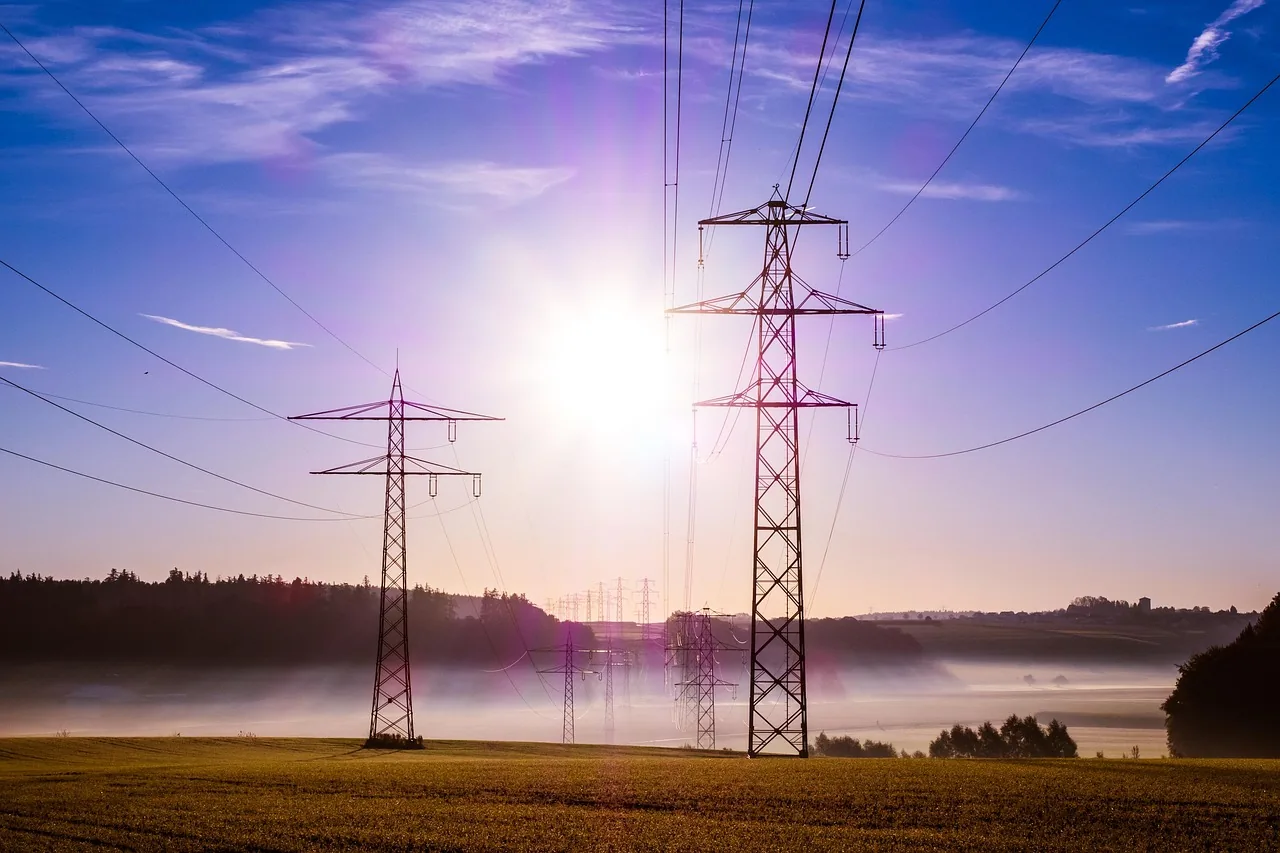
The Champlain Hudson Power Express HVDC line has entered commercial operation, delivering Canadian hydropower to Queens. The 339-mile transmission line is expected to supply up to 20% of New York City's electricity demand.
New York has formally brought the Champlain Hudson Power Express (CHPE) into commercial operation, marking the completion of a major high-voltage direct current transmission project designed to carry Canadian hydropower into the heart of New York City.
A Long-Distance Link from Montreal to Queens
The CHPE spans approximately 339 miles, connecting hydropower resources in Montreal to the Astoria Energy Complex in the Queens borough of New York City. The line operates as a high-voltage direct current system, a technology well suited for efficiently moving large quantities of electricity over long distances with relatively low transmission losses. At its rated capacity of 1,250 MW, the project represents one of the more significant transmission infrastructure additions to the northeastern U.S. grid in recent years.
Governor Kathy Hochul announced the project's completion, framing it as a milestone in the state's broader effort to decarbonize its electricity supply. The line is now capable of delivering what officials describe as clean energy from Canada into one of the most densely populated urban centers in the country.
Scale and Grid Impact
The 1,250 MW capacity of the CHPE is projected to supply up to 20 percent of New York City's electricity needs, according to figures cited in connection with the project. That share would represent a substantial contribution to a city whose electricity demand is among the highest of any metropolitan area in the United States.
By routing Canadian hydropower directly into Queens, the line bypasses the conventional challenge of integrating large-scale renewable or low-carbon generation that is geographically remote from major load centers. Hydropower from Quebec has long been recognized as a potential resource for northeastern states seeking to reduce their dependence on fossil-fuel generation, and CHPE provides a dedicated pathway for that energy to reach New York City's distribution network.
Infrastructure and Route
The project's underground and underwater routing through Lake Champlain and the Hudson River allowed construction to proceed without the land-use conflicts that have historically complicated overhead transmission proposals in the region. The 339-mile corridor connects the Canadian border region to the existing infrastructure at Astoria, a site already embedded in New York City's power network.
The use of HVDC technology rather than alternating current is notable for a project of this length and purpose. HVDC systems allow power to flow in a controlled, unidirectional manner and can be connected to AC grids at each terminus through converter stations, enabling the Canadian and New York systems to interconnect without requiring synchronization of their respective grid frequencies.
State Energy Policy Context
The CHPE's completion arrives as New York continues working toward statutory clean energy targets that require significant reductions in greenhouse gas emissions from the electricity sector. Large-scale transmission capable of importing low-carbon power from outside the state has been identified as one mechanism for meeting those targets, alongside in-state offshore wind, onshore renewables, and energy storage development.
The project's entry into commercial operation means that contracted volumes of hydropower can now flow on a commercial basis, with the energy ultimately reaching consumers through the city's existing distribution infrastructure. The Astoria Energy Complex in Queens serves as the southern terminus and integration point for the line within New York City's grid.
Officials have positioned the CHPE as a component of a larger strategy to clean up the city's electricity supply while maintaining reliability in a dense urban environment where generation options are physically constrained. Whether the line consistently delivers near its 1,250 MW nameplate capacity will depend on both grid conditions and the terms under which the power is contracted and dispatched.
Sources (4)
Methodology: This article was synthesized from four source reports covering the same story, combining details on capacity, geography, and policy context into a single coherent narrative.