Original · GridDigest
Trump administration buys back four Invenergy offshore wind leases for $765M
By GridDigest Editorial · June 19, 2026 · synthesized from 3 sources
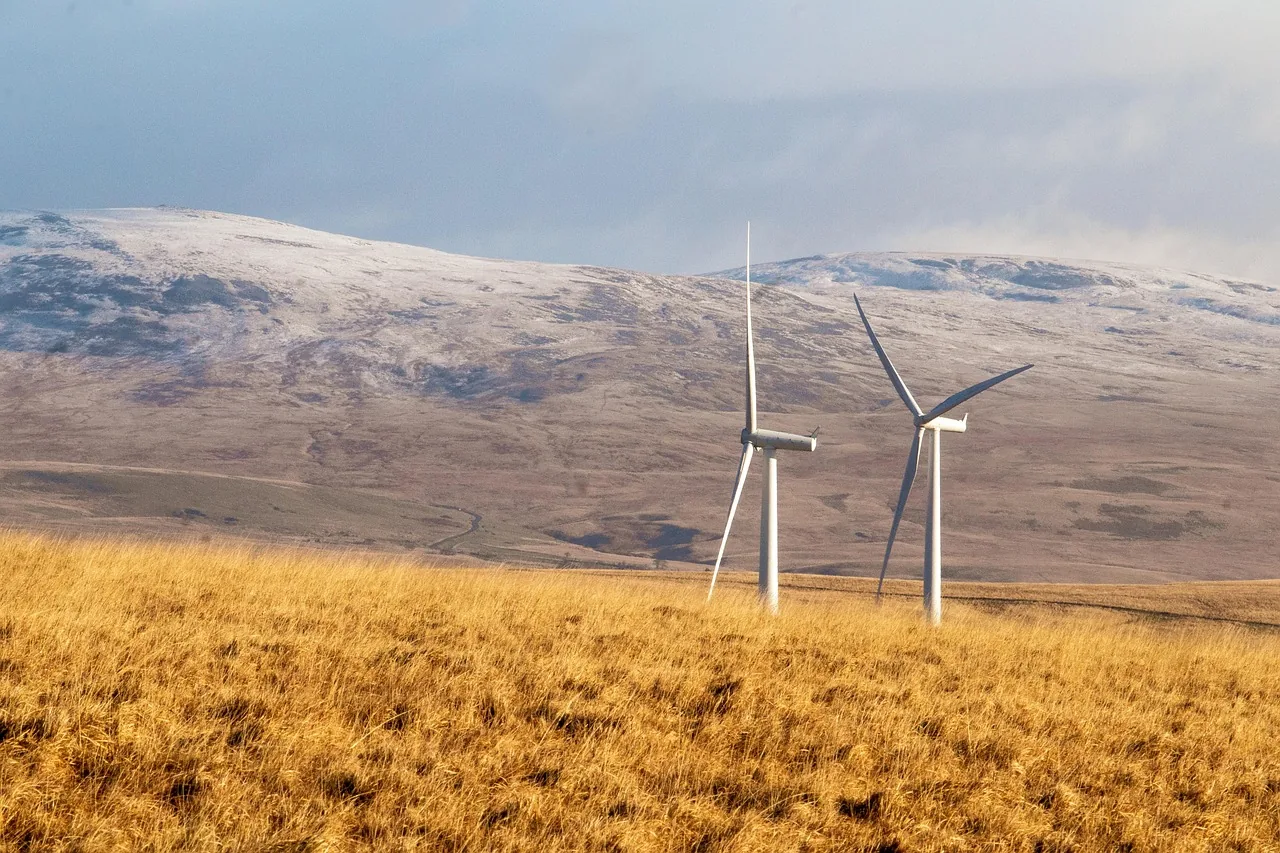
The Department of the Interior purchased Invenergy's four offshore wind leases, with the company redirecting proceeds toward natural gas plants across five Midwestern states and geothermal projects.
The U.S. Department of the Interior has agreed to purchase back four offshore wind leases held by Invenergy for $765 million, marking the latest move by the Trump administration to unwind federally approved offshore wind development and redirect investment toward conventional and alternative energy sources.
Federal Buyback Expands Offshore Wind Rollback
The Interior Department announced the agreement on June 17, confirming that Invenergy will relinquish its four offshore wind lease areas in exchange for the $765 million payout. The deal represents a continuation of the administration's broader effort to reverse offshore wind expansion that had accelerated under previous federal energy policy. The buyback follows a similar pattern established with earlier lease repurchase agreements, signaling that the administration is pursuing a systematic rather than isolated approach to unwinding offshore wind commitments.
Invenergy had held the leases for projects that would have contributed to the offshore wind development pipeline along U.S. coastal waters. The terms of the agreement effectively remove those four development opportunities from the offshore wind sector and return the lease areas to federal control under the Interior Department.
Funds Redirected Toward Fossil Fuels and Geothermal
Rather than absorbing the buyback proceeds as a financial exit, Invenergy has indicated plans to deploy the $765 million toward energy projects in other sectors. According to the Interior Department, the company intends to invest the funds in natural gas power plants located across Indiana, Wisconsin, Iowa, Kansas, and Missouri. In addition to the natural gas investments, Invenergy has stated plans to pursue geothermal energy projects using a portion of the proceeds.
The combination of natural gas and geothermal investments reflects a pivot away from offshore wind development that aligns with the administration's stated energy priorities, which have emphasized expanding fossil fuel production and reducing regulatory support for offshore wind. Natural gas development in the Midwest states named by the Interior Department would represent a geographic shift from coastal offshore wind infrastructure to land-based generation capacity in the interior of the country.
Administration's Broader Offshore Wind Strategy
The Invenergy transaction is the second major lease buyback the Trump administration has executed, and it reinforces a policy posture that has made offshore wind development increasingly difficult to advance in the United States. By purchasing back leases rather than simply permitting them to lapse or revoking them through regulatory action, the administration is offering financial compensation to developers willing to exit the sector voluntarily.
The use of federal funds to facilitate these exits has drawn attention from energy policy observers, given that the $765 million expenditure represents a significant outlay directed away from renewable energy infrastructure. The Interior Department has framed the transactions as consistent with the administration's energy dominance agenda, which prioritizes oil, natural gas, and other conventional resources while scaling back federal support for offshore wind.
The June 17 announcement did not specify which particular lease areas are covered under the Invenergy agreement or detail the timeline for transferring control of those areas back to the federal government. The Interior Department's confirmation of the deal, however, makes clear that the administration views lease buybacks as an ongoing tool rather than a one-time measure in reshaping the country's offshore energy development landscape.
Sources (3)
Methodology: This article was synthesized from three source reports covering the same federal offshore wind lease buyback announcement, drawing on consistent facts across all three sources.