Original · GridDigest
Oxford PV achieves 25.6% efficiency with perovskite-silicon tandem module
By GridDigest Editorial · June 19, 2026 · synthesized from 4 sources
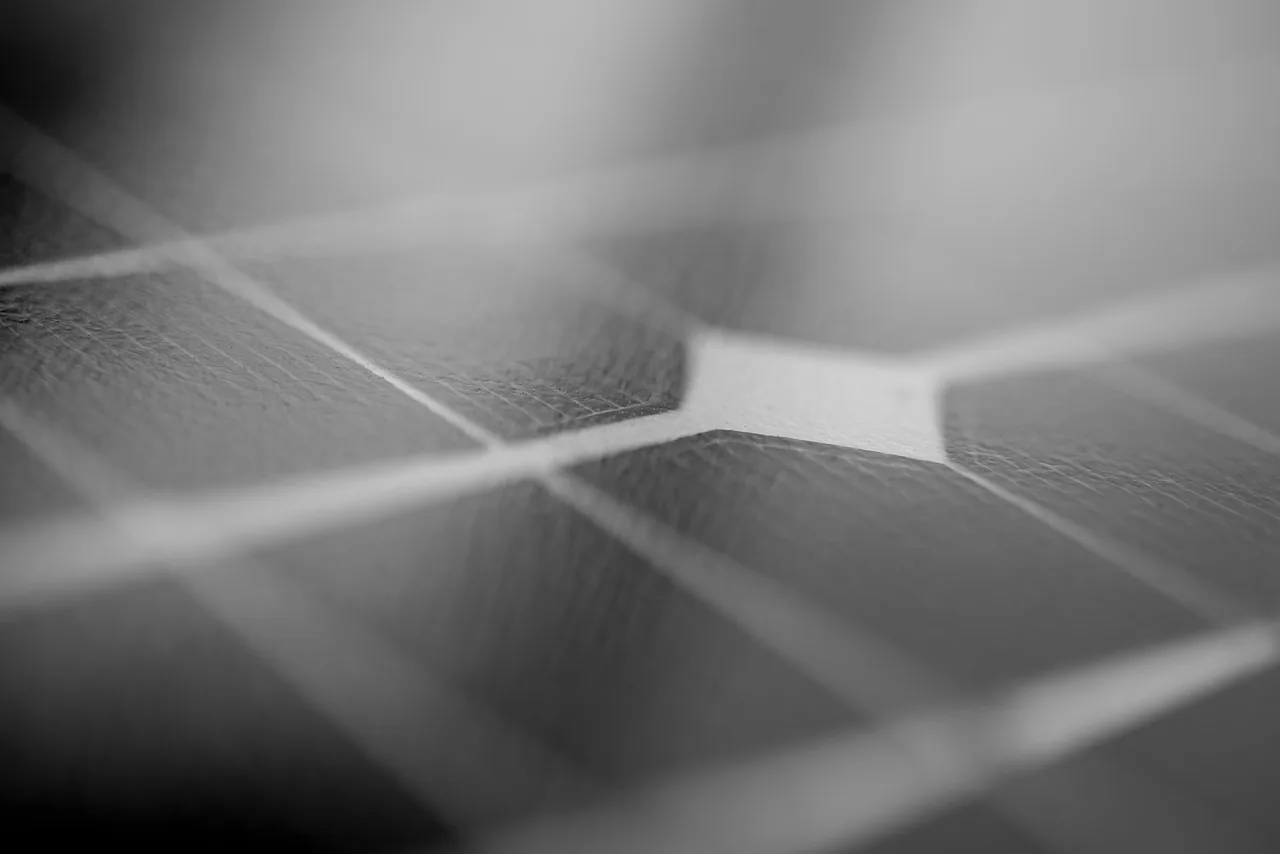
Oxford PV reported 25.6% efficiency for a perovskite-silicon tandem solar module using Fraunhofer ISE's Matrix Shingle architecture, a busbar-free design that reduces resistive and shading losses while improving energy yield and durability.
Oxford PV and Fraunhofer ISE have jointly unveiled a perovskite–silicon tandem solar module prototype that achieves 25.6% efficiency, combining two distinct photovoltaic advances into a single design for the first time.
A First-of-Its-Kind Integration
The prototype represents the inaugural successful pairing of Oxford PV's perovskite–silicon tandem cell technology with Fraunhofer ISE's Matrix Shingle interconnection architecture. While each approach had previously demonstrated promise independently, bringing them together into a functioning module marks a meaningful step for the broader effort to push solar panel efficiency beyond the limits of conventional single-junction silicon technology.
Perovskite–silicon tandem cells stack two light-absorbing materials — a perovskite layer and a silicon layer — to capture a wider portion of the solar spectrum than either material could alone. The combination allows the device to convert more incoming sunlight into electricity, which is the fundamental driver behind the 25.6% module-level efficiency figure the two organizations are reporting.
The Role of Shingled, Busbar-Free Design
The Matrix Shingle architecture developed by Fraunhofer ISE departs from conventional module construction in several important ways. Traditional solar modules rely on busbars — metal strips that collect current from individual cells and route it through the panel. The shingled design eliminates those busbars entirely, with cells overlapping one another in a tiled configuration that reduces the amount of inactive area within the module.
According to the organizations, the busbar-free approach addresses two common sources of energy loss. Resistive losses — which occur when electrical current travels through conductive pathways and dissipates as heat — are reduced because current paths within the module are shortened. Shading losses, caused when busbars and wiring cast shadows on active cell area, are similarly diminished by removing those components from the design.
Beyond raw efficiency, the shingled architecture is reported to improve overall energy yield, meaning the module is expected to generate more electricity over time relative to its rated capacity. The design is also said to enhance durability, though the sources do not detail the specific mechanisms or testing behind that claim.
Significance for Module-Level Performance
A notable aspect of this announcement is that the 25.6% figure applies at the module level rather than to an individual laboratory cell. Cell-level efficiency records in perovskite–silicon tandems have reached higher values in controlled settings, but translating those results to full-sized modules has historically proven difficult. Optical and electrical losses accumulate as cells are interconnected and encapsulated into a complete panel, typically causing module efficiency to fall short of cell efficiency. The reported result suggests the Matrix Shingle approach may help close that gap by minimizing interconnection-related losses.
The collaboration between Oxford PV, a UK-based company that has focused on commercializing perovskite-based solar technology, and Fraunhofer ISE, Germany's prominent solar energy research institute, brings together commercial development experience and institutional research capability. The prototype is described as a demonstration of how the two technologies can be co-integrated, though the sources do not specify whether or when a product based on this design might reach commercial production.
Context in the Broader Efficiency Race
The solar industry has pursued perovskite–silicon tandems as one of the most viable near-term pathways to push module efficiencies meaningfully higher than the roughly 22–23% ceiling that high-end commercial silicon panels currently approach. Several research groups and companies have reported cell-level records in the tandem category in recent years, but module-level demonstrations with competitive efficiency figures remain less common.
The 25.6% module efficiency Oxford PV and Fraunhofer ISE are reporting does not represent a world record for the tandem category, but it is notable for combining two specific architectural innovations — the tandem cell structure and the shingled interconnection scheme — in a single device, according to the organizations involved.
Sources (4)
Methodology: This article was synthesized from four source reports covering the same announcement, drawing on consistent facts across all sources to produce a single unified account.