Original · GridDigest
US coalition formed to advance domestic sodium-ion battery industry
By GridDigest Editorial · June 19, 2026 · synthesized from 3 sources
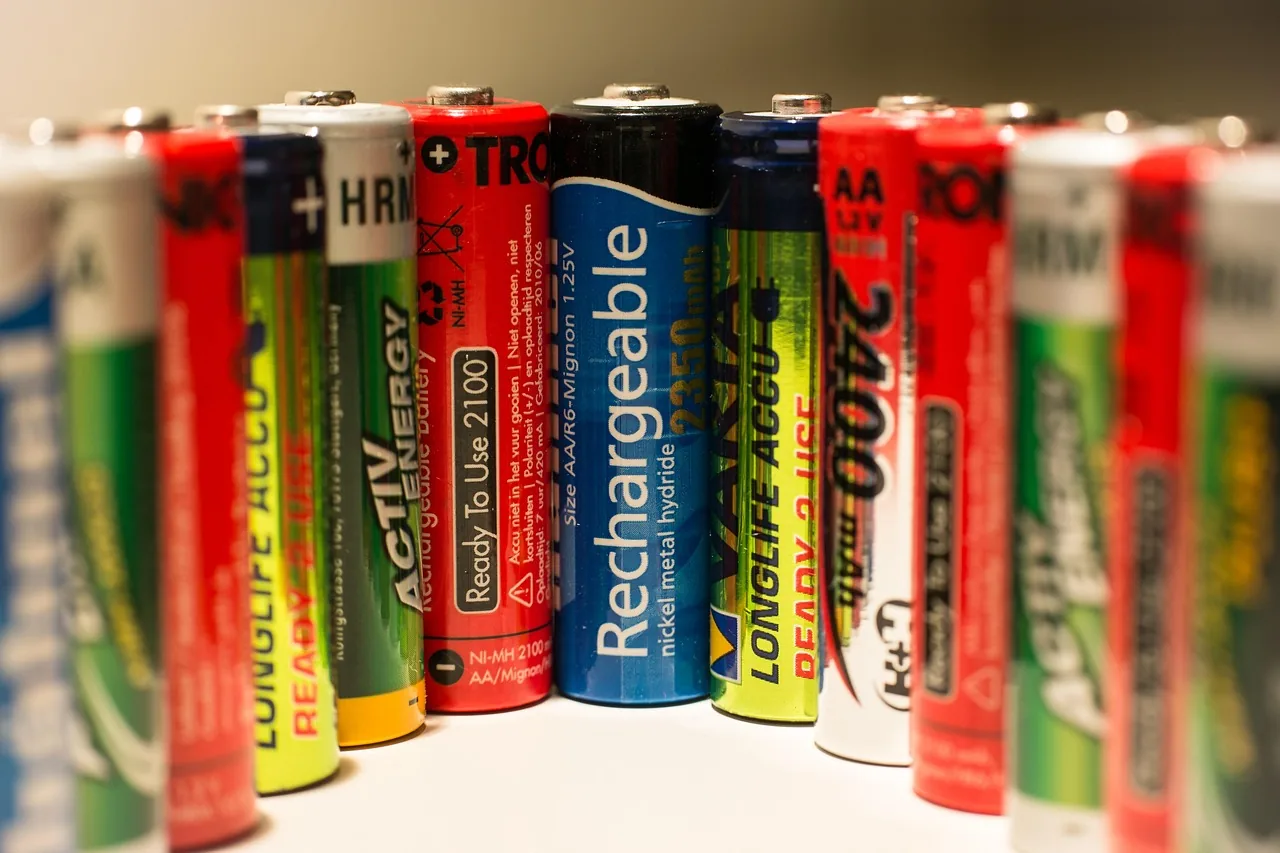
The American Battery Leadership Coalition plans to push for federal policies supporting sodium-ion battery deployment as a scalable alternative to lithium-based storage technology.
A newly formed industry group is positioning sodium-ion battery technology as a homegrown answer to the United States' growing energy storage needs, while simultaneously challenging China's commanding position in the global battery market.
New Coalition Takes Shape
A collection of sodium-ion battery-focused companies has established the American Battery Leadership Coalition, known as the ABLC. The group's formation marks a coordinated effort by domestic players in the sodium-ion space to consolidate their advocacy and accelerate the technology's commercial foothold within the United States.
Federal Policy as a Primary Lever
The ABLC's stated mission centers on engaging with federal policymakers to create a more favorable environment for sodium-ion deployment. The coalition intends to advocate for policies that support the scaling of sodium-ion technology as a viable, non-lithium alternative for meeting the country's rising electricity storage demands. By seeking dedicated policy support, the group aims to reduce barriers that have historically slowed the commercialization of battery chemistries outside the dominant lithium-ion paradigm.
Challenging China's Battery Market Position
A significant dimension of the coalition's rationale involves geopolitical competition. China has established a dominant presence across the global battery supply chain, and the ABLC frames domestic sodium-ion development as a strategic counterweight to that dominance. Sodium-ion technology is broadly viewed as attractive in this context because it relies on materials — most notably sodium — that are far more abundant and geographically distributed than lithium, reducing dependence on supply chains currently concentrated in or controlled by Chinese entities.
Sodium-Ion as a Scalable Alternative
Sodium-ion batteries have drawn increasing attention from the energy storage sector as a potentially scalable complement or substitute for lithium-ion systems, particularly for stationary grid storage applications where energy density requirements are less stringent than in electric vehicles. The ABLC's advocacy is rooted in the argument that the technology's material abundance and manufacturing flexibility make it well-suited to addressing the United States' expanding storage needs without the supply chain vulnerabilities associated with lithium. By organizing collectively, the coalition's member companies appear to be betting that coordinated industry advocacy will prove more effective than isolated efforts in shaping the federal policy landscape around next-generation storage technologies.
Sources (3)
Methodology: Synthesized from three source reports covering the same announcement about the formation of the American Battery Leadership Coalition, focusing on non-duplicative details across sources.